If you’ve ever gotten a tattoo and thought it was fully healed after two weeks, you’re not alone. The outside looks fine, the peeling stops, the redness fades, it feels done. But the skin is still doing a lot of work underneath that surface, and full healing takes considerably longer than most people expect.
This comes up a lot in tattoo communities and aftercare conversations. People stop moisturizing, start swimming, or book touch-ups way too early because they assume healed skin means a healed tattoo. Understanding the actual timeline helps you make better decisions and protects the work your artist put in.
The Surface Heals First, But That’s Not the Whole Story
Tattoo healing happens in layers, both literally and in terms of timing. The outermost layer of skin, the epidermis, goes through its repair cycle relatively quickly. Most people see the surface looking and feeling normal within two to four weeks. The peeling stops, the scabbing (if any) clears up, and the tattoo starts to show its settled appearance.
That’s the part most people track. But it’s only one part of the picture.
The ink in a tattoo doesn’t live in the epidermis. It lives in the dermis, which is the deeper layer of skin beneath the surface. The dermis takes significantly longer to fully repair. Tissue at that level is still rebuilding, and the ink is still settling into its permanent position for months after the surface looks completely healed.
Full dermal healing typically takes anywhere from two to six months, depending on several factors. For larger or more heavily worked pieces, it can take even longer.
What a Realistic Healing Timeline Looks Like
Week One
The first week is the most active phase. The skin is red, swollen, and tender. It weeps plasma and excess ink, especially in the first 24 to 48 hours. By the end of the week, peeling usually starts. The tattoo may look slightly dull or cloudy as the outer skin begins to shed.
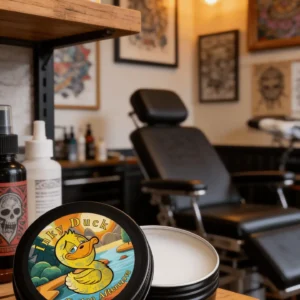
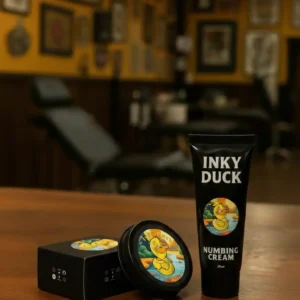
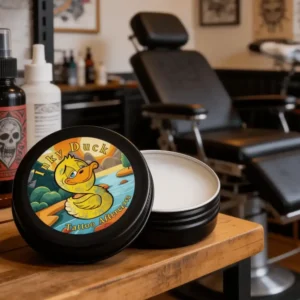
Aftercare is most intensive during this period. Cleaning twice a day, applying a good aftercare balm, and keeping the tattoo out of the sun are the basics. Products like the Inky Duck Tattoo Aftercare Balm are built specifically for this stage, the formula supports healing without clogging pores or sitting too heavy on broken skin.
Weeks Two to Four
The surface continues to heal. Peeling slows down and eventually stops. The skin feels closer to normal, and the tattoo starts showing more of its final appearance. Some people notice a milky or slightly faded look during this period, that’s just new skin forming over the ink. It clears up as the outer layers mature.
This is the stage where most people ease up on their routine, which is fine as long as you don’t stop entirely. Once-a-day moisturizing and sun protection are still worth keeping up.
Months One to Three
The surface is healed, but the deeper skin layers are still working. You might notice slight changes in how the tattoo looks during this period, some colors appear to shift, lines look sharper or slightly softer. That’s the ink settling into the dermis and the surrounding tissue adjusting.
Staying consistent with moisturizing and sun protection during this window makes a real difference in the long-term appearance of the tattoo. UV exposure during this stage can cause fading that won’t reverse on its own.
Months Three to Six
By this point, most tattoos have reached or are close to full healing. The skin structure is repaired, the ink is settled, and what you see is largely what you’ll have going forward. For some people with slower healing skin or larger pieces, this phase extends a bit further.
This is also the window most artists recommend for touch-ups if needed. Going back in too early, before the skin has fully settled, makes it harder to assess what actually needs work.
Factors That Affect How Long Healing Takes
Not everyone heals on the same schedule. A handful of things can speed up or slow down the process significantly.
Tattoo Size & Placement
Larger tattoos cover more surface area and involve more skin trauma, so they naturally take longer to heal. Placement also plays a role. Areas with more movement, like hands, feet, elbows, and knees, tend to heal slower because the skin is constantly flexing. Areas with thinner skin, like ribs or the inner arm, can be more sensitive and take longer to settle.
Skin Type & Age
Younger skin tends to regenerate faster. Drier skin types need more consistent moisturizing to heal well and may take longer overall. People with certain skin conditions may also experience slower healing.
Aftercare Consistency
This is one of the biggest variables. People who keep up with cleaning and moisturizing throughout the healing process tend to heal faster and with better results than those who are inconsistent. Skipping aftercare in the early weeks, even for a few days, can set the process back.
Lifestyle Factors
Hydration, sleep, and overall health all influence how quickly your skin repairs itself. Heavy alcohol consumption, poor diet, and smoking are all known to slow wound healing in general, and tattooed skin is no different. Getting enough sleep gives your body more time to do its repair work overnight.
Sun Exposure
Direct sun exposure on a healing tattoo causes real damage. UV rays break down the ink and stress the skin at a point when it’s already working hard to repair itself. People who spend a lot of time outdoors without protecting their fresh tattoo often end up with fading that shows up well before the tattoo is even fully healed.
When Something Isn’t Healing Right
Most tattoos follow a predictable path, but occasionally something goes off track. Signs that healing isn’t going as it should include excessive redness that spreads beyond the tattoo, swelling that gets worse instead of better after the first few days, discharge that looks thick or has an odor, or fever and general unwellness.
These can indicate infection, which needs medical attention. Mild redness and swelling in the first few days is normal. Redness and swelling that gets worse after day three or four is worth paying attention to.
Give It the Time It Needs
Tattoo healing is a slow process, and the most common mistake people make is treating it like it’s done before it actually is. The surface heals fast. The rest takes months. Staying consistent with aftercare, protecting the tattoo from the sun, and giving the skin time to fully repair at every level is what keeps the work looking good for years to come.