Numbing cream works best when the skin it’s applied to has been prepared properly. Most people who have a disappointing experience with tattoo numbing cream, where it barely did anything, or wore off faster than expected, often attribute it to the product. In reality, the preparation and application process is where things go wrong more often than the product itself.
Getting the most out of numbing cream comes down to a specific sequence of steps carried out correctly before your session. Here’s how to do it.
Before doing anything, check with your tattoo artist that they’re comfortable working on numbed skin and find out if they have any specific product preferences or instructions. Most artists are fine with clients using numbing cream, but some have preferences about which products they’ll work with and how the skin should feel when they start.
Getting this conversation done in advance means no surprises on the day. It also gives your artist the opportunity to advise on timing specific to your placement, which can vary from the general guidelines depending on the area being tattooed.
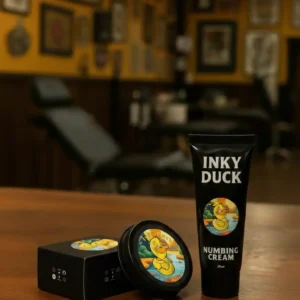
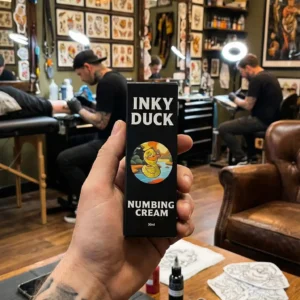
Not all numbing creams are the same. For tattoo preparation on intact skin, you want a lidocaine-based cream at 4 to 5 percent concentration. This is the standard range for over-the-counter products and provides meaningful numbing when applied correctly.
Check the ingredient list for anything that might cause a reaction on your skin. If you have sensitive skin or known allergies to specific compounds, reading the label carefully before purchase is worth the extra minute. Avoid products with strong fragrance, these serve no therapeutic purpose and add unnecessary irritation risk to skin you’re about to have tattooed.
At least 24 to 48 hours before your session, apply a small amount of the numbing cream to a patch of intact skin, the inner wrist or inner elbow are convenient spots. Leave it for 30 minutes without covering it, then wipe it off and observe the area for the following 24 hours.
If there’s no redness, itching, or reaction, you can proceed with confidence. If there is a reaction, you have time to find an alternative product before your appointment rather than discovering an issue on the day.
Organize everything you need before starting the application so you’re not hunting for items with cream already on your hands. You’ll need the numbing cream, plastic wrap or cling film, medical tape or a bandage to secure the wrap if needed, a clean cloth or paper towel for removal, mild soap for cleaning the skin first, and a timer.
Having everything ready before you start makes the process straightforward and ensures you don’t accidentally shortcut any steps.
Wash the area to be tattooed with mild, fragrance-free soap and lukewarm water. Pat it completely dry with a clean towel or paper towel. The skin needs to be free of lotion, oil, sweat, or any other residue before the cream goes on.
Any product on the skin surface acts as a barrier between the cream and the skin, reducing how effectively the lidocaine absorbs. This is why applying numbing cream over recently moisturized skin is less effective than applying it to clean, dry skin. If you moisturized in the morning and your appointment is in the afternoon, wash the area again before applying the cream.
Do not shave the area immediately before applying numbing cream. If the area needs to be shaved, do it the night before. Fresh shaving creates micro-abrasions that cause lidocaine to absorb unpredictably through broken skin, which affects both the numbing effect and the safety profile of the application.
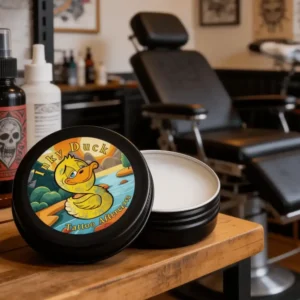
Apply a thick, even layer of numbing cream over the entire area to be tattooed, plus a small border around it. Generous means visibly thick, not rubbed in like a regular lotion, but sitting on the skin surface as an even coating.
Use your fingertips to spread it evenly. Cover the full placement area and a centimeter or two beyond the edges. The numbing effect is localized to where the cream is applied, so skimping on coverage means the outer edges of the tattoo placement won’t be adequately numbed when the needle gets there.
Wash your hands immediately after applying. Lidocaine on the fingertips can cause unwanted numbing of the fingers and can transfer to sensitive areas like the eyes if you touch your face before washing.
Cover the cream-covered area completely with plastic wrap and secure it. This step is what makes the difference between numbing cream that works and numbing cream that doesn’t. The wrap creates an occlusive seal that raises the local skin temperature slightly and dramatically increases how deeply the lidocaine penetrates through the skin layers.
Without the wrap, lidocaine absorbs slowly and may not reach the nerve endings at the depth the tattoo needle works. With the wrap applied correctly, it reaches the target depth within the recommended application window.
Use enough wrap to cover the entire area with some overlap at the edges. Secure it with medical tape if needed, particularly on areas near joints or on surfaces that are hard to keep covered, like the ribcage, which moves with breathing, or near the knee.
Set a timer as soon as the wrap goes on. Most lidocaine-based numbing creams require 45 to 90 minutes of application time to reach effective concentration in the skin. An hour is a reliable minimum for most placements. Thicker-skinned areas like the outer thigh or calf may benefit from the full 90 minutes.
Work backward from your appointment time and account for travel. The cream should be removed shortly before your session starts, not at home 30 minutes before you leave, and not left on for several hours because you applied it too early. Leaving it on significantly longer than recommended increases the skin texture changes that can affect how your artist works.
When you arrive at the studio, remove the wrap and wipe off the cream with a clean cloth or paper towel. The skin should feel noticeably numb or dulled to touch at this point. Your artist will then clean the area with their standard prep process before placing the stencil and starting the session.
Make sure all cream is removed before the artist starts. Residual product on the skin surface affects stencil transfer and how the needle interacts with the skin during application. Your artist will clean the area as part of their routine, but removing the bulk of the cream yourself before you arrive saves time and avoids any issues with residue during prep.