
Los Angeles has one of the most active tattoo communities in the country. From studio artists in Silver Lake to walk-in shops in Venice Beach, the city’s relationship with ink runs deep, and the volume of people getting tattooed on any given day is substantial. What often gets less attention is what happens after the session. LA’s outdoor lifestyle, sun exposure, and warm climate create conditions that directly affect how a fresh tattoo heals, and getting aftercare right matters more here than in most cities. Inky Duck Tattoo makes aftercare products formulated specifically for tattooed skin, including a tattoo balm for healing and long-term conditioning and a 4% lidocaine numbing cream for pre-session use. Here is what proper tattoo aftercare looks like in Los Angeles.
Los Angeles sits in a warm, sun-heavy climate with a lifestyle that keeps people outdoors, active, and frequently near the water. Each of those factors creates a specific challenge for healing tattooed skin.
Southern California sun is intense year-round. UV rays are one of the primary causes of tattoo fading, and a fresh tattoo is especially exposed because the outer layer of skin is still rebuilding. During the healing period, which typically runs four to six weeks, the tattooed area should be kept out of direct sunlight. Once healed, a broad-spectrum SPF applied consistently before outdoor time is one of the most effective long-term habits for keeping ink sharp and defined over time.
The beach lifestyle in LA creates a specific set of risks for healing tattoos. Ocean water, sand, and sun hit a fresh tattoo in exactly the wrong ways. Sand and saltwater introduce bacteria and irritants, and sun exposure accelerates fading on skin that is still in an active healing phase. Even activities that do not involve direct water contact, like outdoor hiking or beach volleyball, mean more sweat and more sun exposure than a healing tattoo needs.
LA's warm temperatures mean more time spent sweating, and sweat on a healing tattoo can cause problems. Sweat sitting on the surface of healing skin disrupts moisture balance, and tight clothing that traps heat and sweat against the tattooed area creates conditions that slow the healing process and increase the risk of irritation.
Beyond the beach, Angelenos spend a significant amount of time outdoors for running, hiking, cycling, and general day-to-day activity. Managing a healing tattoo in that kind of environment requires more attention to coverage, cleanliness, and sun protection than a more indoor lifestyle would.
A consistent routine is the most important part of getting a healing tattoo through LA’s environment in good shape.
Wash the tattoo once or twice a day with lukewarm water and a gentle, fragrance-free soap. Pat it dry rather than rubbing. Apply a thin layer of aftercare balm after each wash and once more during the day if the skin feels dry or tight. Do not over-apply. A thin layer that absorbs into the skin is the goal, not a thick layer that sits on the surface.
Keep the area out of direct sun during the healing period. If outdoor time is unavoidable, cover the tattoo with loose, breathable clothing rather than applying sunscreen to a fresh wound. Once fully healed, switch to a daily SPF routine for the tattooed area.
Keep the tattoo away from pool water, ocean water, and hot tubs until healing is complete. The wait is typically four to six weeks depending on the size and placement of the piece.
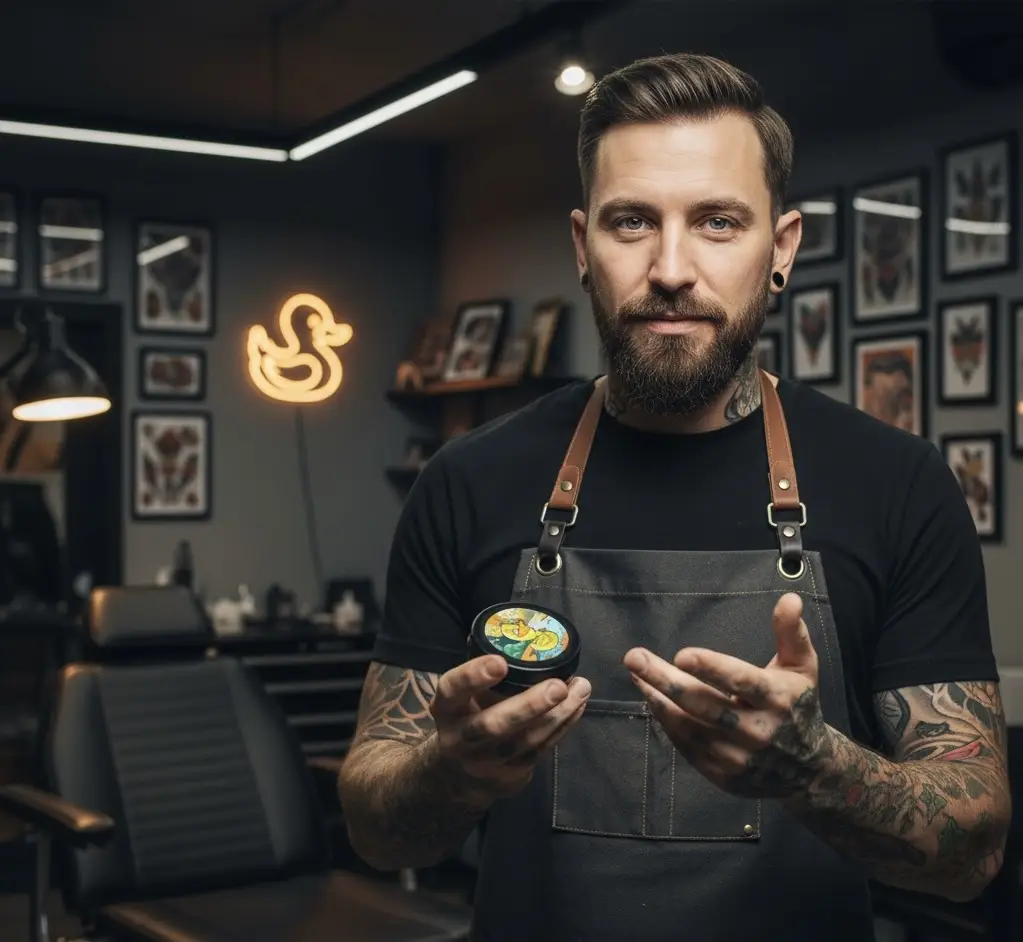
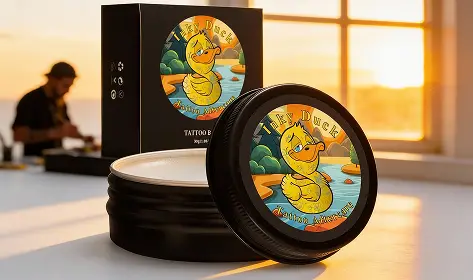
The Inky Duck Aftercare Tattoo Balm is formulated for tattooed skin at every stage. It moisturizes the healing skin without leaving a greasy finish, which matters in a warm climate where a heavy product sitting on the surface is both uncomfortable and counterproductive. The formula is built around intentional ingredients, without synthetic fragrances or unnecessary fillers, keeping the focus on what actually supports the healing process. The balm comes in a portable tin and is equally effective on fresh tattoos during the healing window and on older ink that needs regular conditioning to stay looking its best. Available as a single tin at $16.99 or a pack of two at $27.99.
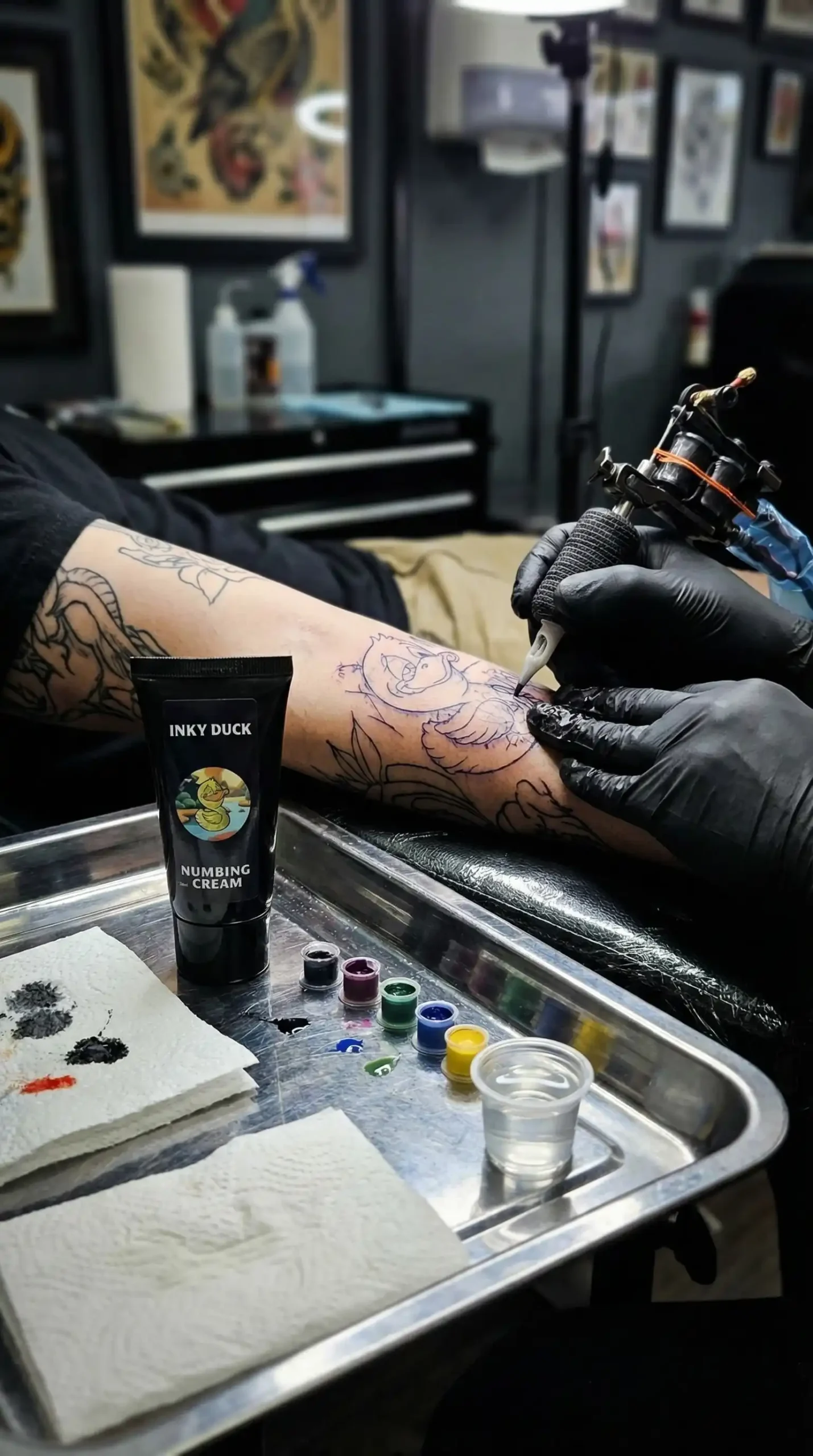
For clients managing pain during longer sessions or working on more sensitive placements, the Inky Duck Numbing Cream provides pre-session comfort with 4% lidocaine. Apply it to the area about 45 to 60 minutes before your session, cover with plastic wrap, and remove before the artist begins. The tube format is compact and easy to travel with, and the formula is designed to work with the tattooing process without creating the skin-texture problems that poorly formulated numbing products can cause. Always let your artist know in advance if you plan to use numbing cream. Most artists are comfortable with it, and some have preferences about specific products or timing. At $26.99, it is a practical option for clients who want more control over their session experience.
The Comfort + Aftercare Bundle includes both the numbing cream and the aftercare balm at $32.99, covering the full experience from pre-session preparation through the healing period. For LA clients, this bundle provides everything needed to manage the tattooing process comfortably and heal properly in Southern California's sun-heavy climate.
LA’s lifestyle makes it hard to stay entirely indoors during a healing period, and most people are not going to put their entire routine on hold for six weeks. The key is managing the risks rather than eliminating all activity.
Avoid the beach and pools while the tattoo is healing. This is a firm one. The combination of saltwater, chlorine, bacteria, and UV exposure creates conditions that can genuinely set back healing or cause infection.
For other outdoor activities like hiking or running, cover the tattoo with loose, breathable fabric to protect it from sun and friction. Wash it after any activity that causes significant sweating, and reapply balm once the skin is clean and dry. Avoid tight athletic gear over a healing tattoo, as the constant rubbing against healing skin disrupts the process and can cause irritation.
Sun protection is a long-term commitment for anyone with tattoos in Southern California. During healing, physical coverage is the only option since sunscreen should not be applied to an open wound.
Once the tattoo is fully healed, a broad-spectrum SPF 30 or higher applied before sun exposure is the most effective protection available. Reapply every two hours when outdoors. Mineral sunscreens using zinc oxide or titanium dioxide are often the gentler choice for tattooed skin, sitting on top of the skin rather than being absorbed into it.
Regular moisturizing with an aftercare balm keeps the skin in good condition over time. Well-hydrated skin holds ink better and shows less wear than chronically dry skin, and in a climate where sun and heat pull moisture from the skin constantly, maintaining that moisture balance is an ongoing habit worth building.
Picking or scratching the healing skin is one of the most common ways people disrupt a healing tattoo. The peeling and scabbing that happens in the first week or two are the skin’s natural process. Let it happen on its own without interfering. For more on what to expect during the peeling phase, see the detailed guide on tattoo peeling.
Applying too much aftercare product too often is the other frequent mistake. More is not better. Over-moisturizing causes the skin to become waterlogged, which can lead to bubbling and uneven ink retention. A thin, consistent application two to three times a day is enough. For a detailed explanation of why this happens and how to avoid it, see the guide to tattoo bubbling from over-moisturizing.
Going to the beach too soon, skipping sun protection, and wearing tight clothing over a healing tattoo are all mistakes that show up in healed results later. The habits you build during the healing window have a direct impact on what the tattoo looks like for years afterward.
Inky Duck Tattoo products are made specifically for tattooed skin. The aftercare balm supports skin through the active healing phase and continues to work as a conditioning product for healed ink. The non-greasy formula means it absorbs into the skin without leaving a heavy residue, which matters in LA’s warm climate where comfort during healing is part of the experience.
The numbing cream gives clients real pre-session pain management with a formula designed to work cleanly with the tattooing process. Packaging is compact and travel-friendly, the ingredients are selected with purpose, and synthetic fragrances and unnecessary fillers are left out. Inky Duck is veteran-owned, and that standard of quality and clarity runs through everything the brand makes.
A tattoo-specific balm applied consistently through the healing period, combined with sun protection once the tattoo is healed, is the most effective approach for LA’s climate. The combination of heat, outdoor activity, and strong sun makes those two habits especially important.
UV rays reach the ink more easily through healing skin than through fully healed skin, which accelerates fading and can disrupt the healing process. Keep fresh tattoos out of direct sunlight entirely during the healing period. Once healed, use a broad-spectrum SPF every time the area will be exposed to the sun.
Not until the tattoo is fully healed, which typically takes four to six weeks. Ocean water, sand, and sun exposure are all harmful to a healing tattoo. Wait until healing is complete before returning to beach activities.
Surface healing takes two to four weeks for most people. Full healing, including the deeper layers of skin, takes four to six weeks. Following a consistent aftercare routine through that period gives the tattoo the best chance of healing cleanly.
Yes. Regular use of aftercare balm on healed tattoos keeps the skin conditioned and helps maintain the appearance of the ink over time. In LA’s climate, where sun and heat dry the skin quickly, consistent moisturizing is especially worthwhile.
When applied correctly before the session and removed before the artist begins, numbing cream does not disrupt the healing process. Discuss your plan with your artist in advance to make sure the application and timing work with their process.
Avoid swimming, direct sun exposure, tight clothing over the area, picking or scratching, and applying too much aftercare product. These are the habits that most reliably lead to healing problems.