
Portland has one of the densest concentrations of tattoo studios in the Pacific Northwest, and the city’s culture around body art runs long and deep. From established shops in the Pearl District to artist collectives in Northeast, Portland takes tattooing seriously. What the city’s tattoo community has also learned over time is that the healing process matters just as much as the session itself, and the Pacific Northwest climate creates its own set of conditions that affect how a fresh tattoo heals. Inky Duck Tattoo makes aftercare products built specifically for tattooed skin, including an aftercare balm for healing and long-term conditioning and a 4% lidocaine numbing cream for pre-session use. Here is what you need to know about aftercare in Portland.
Portland’s climate is different from most of the cities where aftercare guides are written. The concerns here are not heat and desert dryness or intense sun, though the Pacific Northwest does get summer sun worth respecting. The primary conditions to manage in Portland are moisture, rain, and the kind of lifestyle that keeps people moving through wet weather in layers of clothing.
Portland averages significant rainfall throughout the year, and the fall and winter months bring extended periods of grey, damp weather. Humidity is generally higher in Portland than in drier climates, and that affects healing skin differently. While some moisture in the air can reduce the drying effects that cause heavy scabbing, too much environmental moisture combined with aftercare product can tip a healing tattoo into over-saturation territory. The risk in a damp climate is applying product too heavily and then having the skin sit in humid air without adequate airflow. Keeping applications thin and giving the tattoo time to breathe between applications matters in Portland's environment.
Portland's cooler, rainy climate means layers. Jackets, heavy knits, and damp outerwear are part of daily life for most of the year, and all of that fabric rubbing against a healing tattoo creates friction that disrupts the healing surface. If the tattooed area is going to be under clothing, choose loose, breathable layers that allow airflow and avoid direct, constant rubbing against the fresh skin. Wet clothing against a healing tattoo is a specific risk. If your outer layers get soaked in the rain and you are wearing something directly against the tattoo, change out of it and clean the area as soon as you can.
Portland's outdoor culture is built around hiking, cycling, running, and river access, and the city's residents tend to stay active year-round regardless of the weather. Managing a healing tattoo during an active outdoor routine means being consistent about cleaning it after sweaty activity, keeping it away from river and pool water, and being mindful of sun exposure during the drier summer months.
The core aftercare routine is the same regardless of climate, but Portland’s conditions call for a few specific adjustments.
Follow your artist’s instructions on the initial bandage, traditional wrap or second-skin film, and leave it in place for the time they specified.
When the bandage comes off, wash the tattoo gently with lukewarm water and a fragrance-free, gentle soap. Pat dry with a clean cloth. Apply a thin layer of aftercare balm. In Portland’s humid climate, thin is the key word. You do not need to apply as generously as you might in a dry desert climate. A light layer two to three times a day is enough to keep the skin moisturized without creating the over-saturated conditions that cause bubbling and slow healing.
Change out of wet or damp clothing that is in contact with the tattoo when you can. Damp fabric sitting against healing skin is not a good combination.
Keep the tattoo away from rivers, pools, and hot tubs until it is fully healed. Even in cooler weather, open water introduces bacteria that a healing tattoo cannot handle.
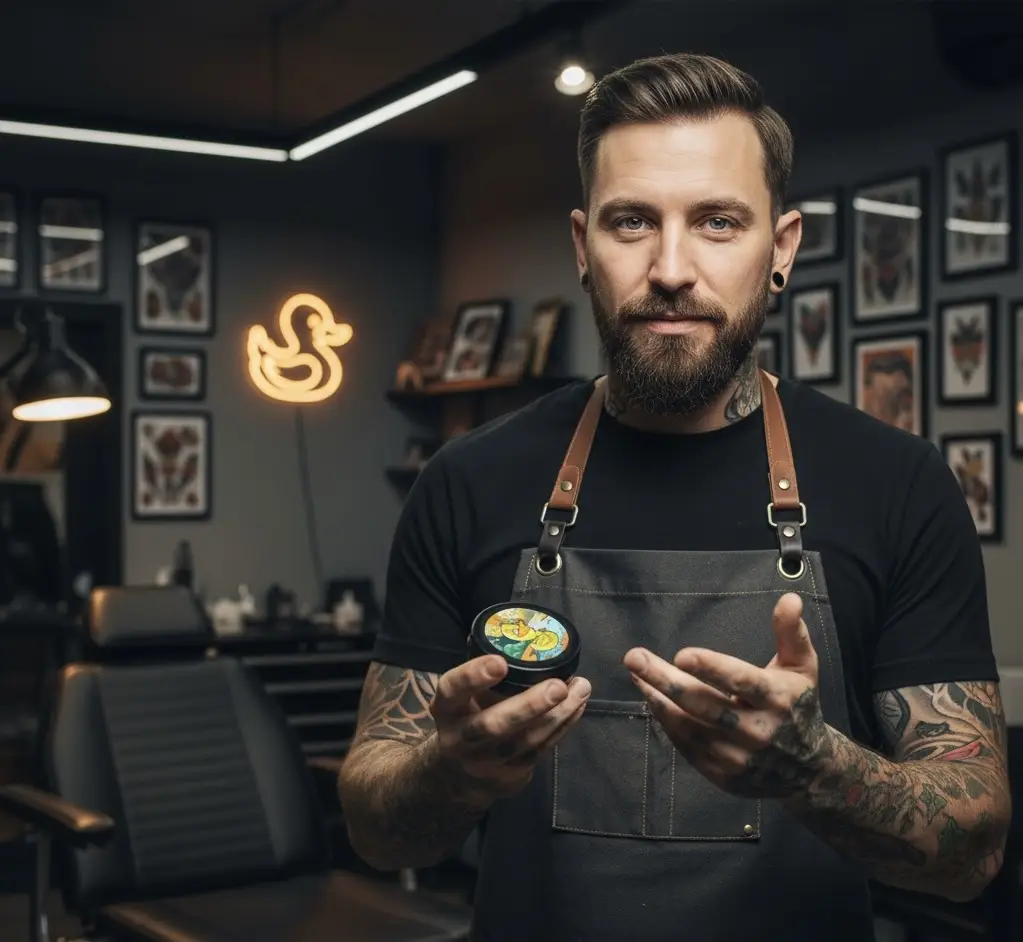
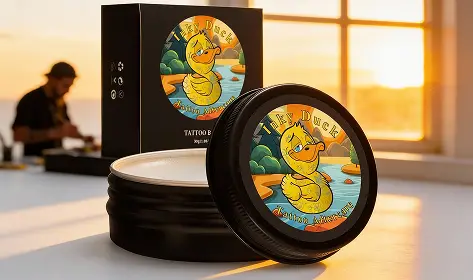
The Inky Duck Aftercare Tattoo Balm is formulated for tattooed skin at every stage of healing. In Portland’s climate, where humidity already adds some moisture to the skin’s environment, the balm’s non-greasy texture is a practical advantage. It absorbs into the skin rather than sitting heavily on the surface, which means it moisturizes without adding an excessive occlusive layer on top of an already-moist environment.
The formula uses intentional ingredients without synthetic fragrances or unnecessary fillers. It works on fresh tattoos during the active healing window and on healed ink as a long-term conditioning product. Available as a single tin at $16.99 or a pack of two at $27.99.
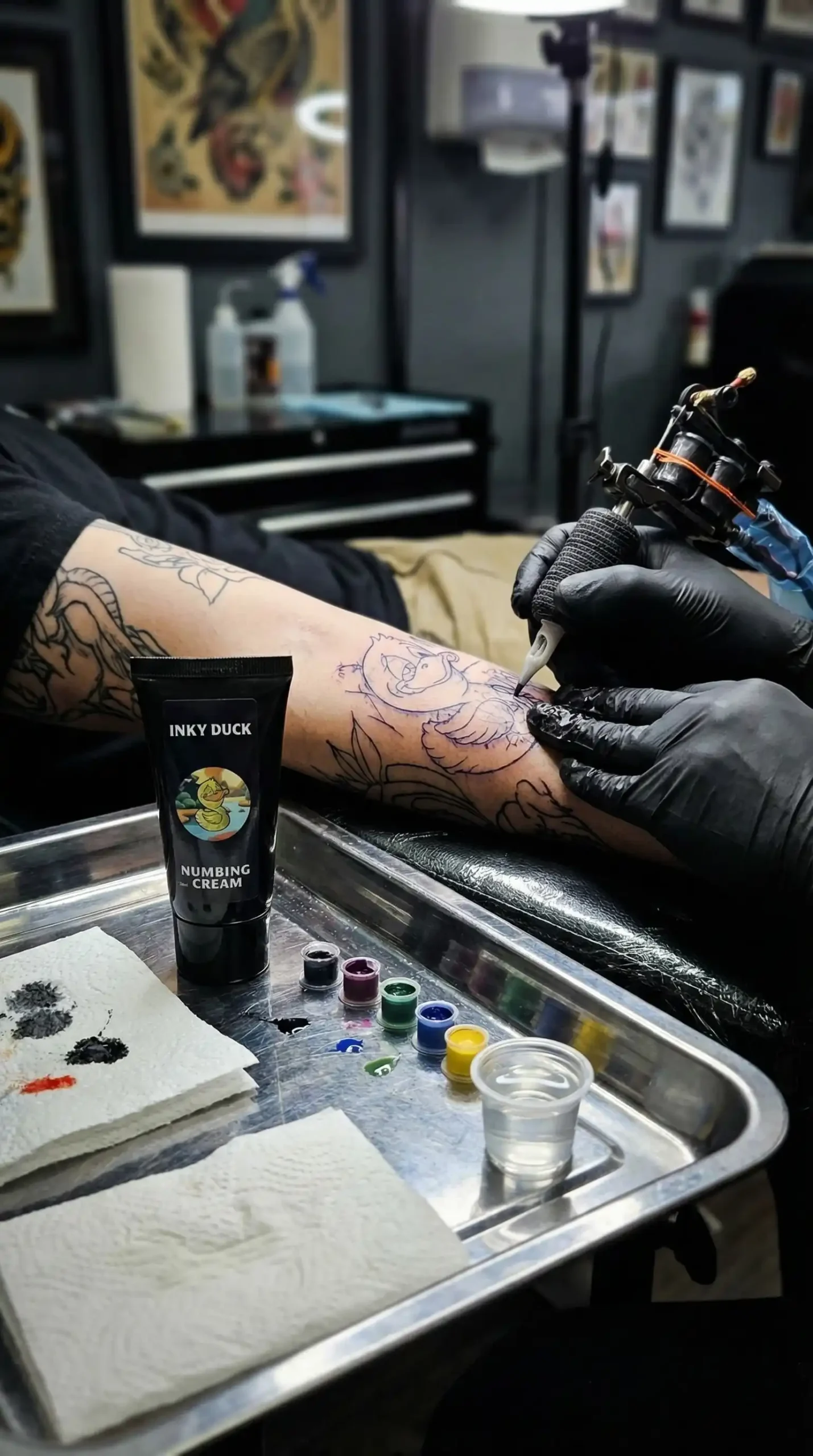
The Inky Duck Numbing Cream provides pre-session pain management with 4% lidocaine. For clients managing longer sessions or sensitive placements, applying the cream about 45 minutes before the appointment, covering with plastic wrap, and removing it before the artist begins can make a meaningful difference in session comfort. The tube format is compact and travel-friendly. At $26.99, it is a practical option for clients who want more control over their pain experience.
The Comfort + Aftercare Bundle includes both the numbing cream and the aftercare balm at $32.99, covering the full experience from pre-session preparation through the healing period. For Portland clients getting tattooed, this bundle is a straightforward way to leave the shop with everything needed for proper aftercare in the Pacific Northwest's humid environment.
Portland’s outdoor lifestyle does not have to stop during a tattoo healing period, but it requires some adjustments.
For hiking and trail running, cover the tattooed area with loose, breathable fabric to protect it from sun and debris. After any activity that causes significant sweating, clean the tattoo gently and reapply a thin layer of balm once the skin is dry.
Avoid river swimming and any freshwater or chlorinated water contact until the tattoo is fully healed. Portland’s proximity to the Columbia and Willamette rivers makes this a relevant note, especially in summer. The bacteria load in natural open water is incompatible with a healing wound.
Cycling and daily commuting on wet roads can expose the tattoo to splashing water and debris. If the tattooed area will be exposed during your commute, cover it with a breathable layer and clean it when you arrive.
Avoiding excessive moisture is especially relevant in Portland’s climate. That means not over-applying balm, not wearing wet clothing against the tattoo, and giving the skin regular periods of airflow rather than keeping it constantly covered. For more on how over-moisturizing affects healing and what to watch for, see the guide to tattoo bubbling and over-moisturizing.
Swimming of any kind should wait until the tattoo is fully healed. This includes rivers, pools, hot tubs, and even deep soaking baths. Shower normally, but keep the healing area out of direct water stream for extended periods.
Friction from clothing is a consistent risk in Portland’s layered-up lifestyle. Choose soft, loose fabric over the healing area rather than rough or structured materials.
Picking or scratching the peeling or scabbing skin is always a mistake regardless of climate. Let the skin shed on its own schedule. Pulling it off prematurely pulls ink with it and leaves behind uneven healing.
Applying new products not designed for healing skin introduces unnecessary variables. Stick to a gentle soap and a purpose-built aftercare balm during the healing window.
Once the tattoo is fully healed, maintaining its appearance over time is a straightforward routine.
Moisturize regularly with an aftercare balm. Well-conditioned skin holds ink better and shows less wear over years of daily life. Portland’s climate does not dry the skin as aggressively as desert climates do, but regular moisturizing is still a habit worth keeping.
Sun protection matters in Portland too, even if the sun feels less threatening than in Southern California. The Pacific Northwest gets real summer sun, and UV exposure accumulates over time regardless of how dramatic it feels in the moment. Apply a broad-spectrum SPF to tattooed areas before outdoor exposure during sunny periods.
Stay consistent. Long-term tattoo care is less about any single product or habit and more about maintaining a steady routine over years. The tattoos that hold up best over time are the ones that got consistent attention.
Inky Duck Tattoo products are made specifically for tattooed skin. The aftercare balm works through the active healing phase and continues to provide conditioning and maintenance value on healed ink. The non-greasy formula is especially practical in Portland’s humid climate, absorbing into the skin without creating an overly heavy or occlusive layer.
The numbing cream offers real pre-session pain management with 4% lidocaine in a formula built to work cleanly with the tattooing process. Ingredients are selected with purpose, and the formulas leave out synthetic fragrances and unnecessary fillers that can irritate healing skin. Packaging is compact and practical. Inky Duck is veteran-owned, and that clarity of purpose runs through the entire product line.
A purpose-built tattoo balm applied consistently in thin layers is the most effective approach. In Portland’s humid climate, applying less product more consistently is better than heavy application that keeps the skin overly saturated.
High humidity can affect how the skin manages moisture during healing. In damp conditions, thin application of aftercare balm is more appropriate than the heavier application you might use in a dry desert climate. Give the tattoo regular airflow between applications.
Yes, with precautions. Cover the tattooed area with loose, breathable fabric to protect it from sun and friction. Clean the tattoo after sweaty activity and reapply a thin layer of balm. Avoid river or lake swimming until healing is complete.
Surface healing typically takes two to four weeks. Full healing of the deeper skin layers takes four to six weeks. Portland’s climate does not dramatically change that timeline, but consistent aftercare throughout the period is important.
Try to choose softer, looser layers over the healing area. Rough or structured fabric rubbing directly against fresh skin causes friction that disrupts healing. Damp clothing against the tattoo should be changed as soon as possible.
Yes. The Inky Duck Aftercare Balm works as a long-term conditioning product for healed ink. Regular use keeps the skin moisturized and helps maintain the appearance of tattoos over time.
If you are concerned about pain during a longer session or a sensitive placement, the Inky Duck Numbing Cream with 4% lidocaine is an effective option for pre-session use. Let your artist know in advance so they can account for the timing and application.