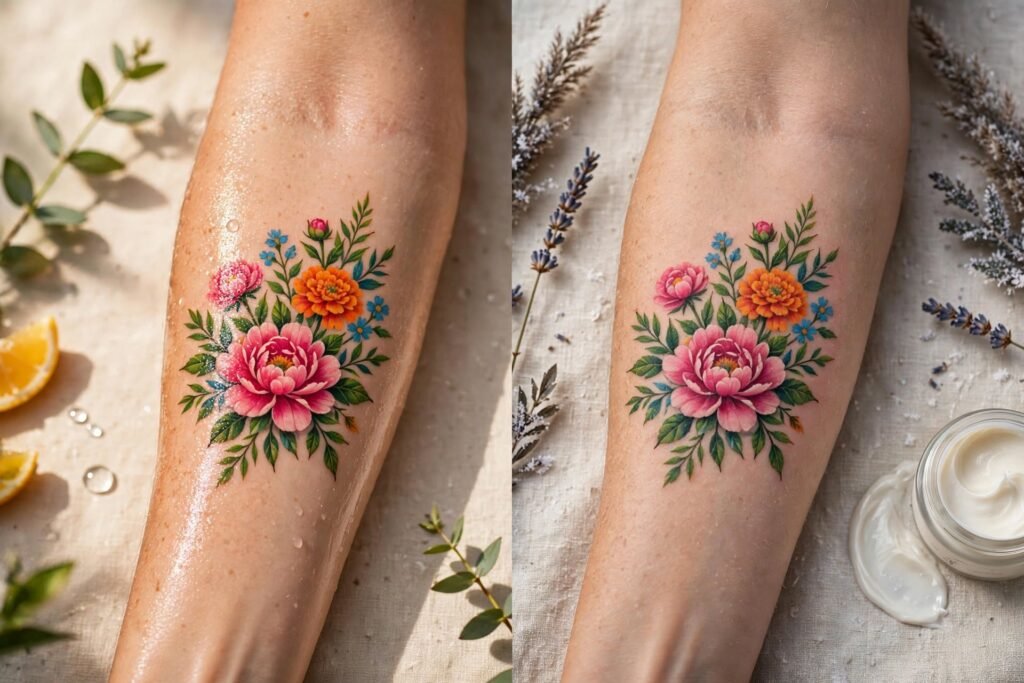
Skin behaves differently across seasons, and tattooed skin is no exception. The changes in temperature, humidity, UV exposure, and environmental conditions that come with each season all affect how tattooed skin holds moisture, how the ink appears from the surface, and what kind of care it needs to stay in good condition. Understanding these seasonal shifts helps you adjust your routine rather than wondering why your tattoo looks different in January than it did in July.
Winter — The Drying Season
Winter is the season that tattooed skin struggles with most. The combination of cold air outside, centrally heated indoor air, and low ambient humidity creates conditions that pull moisture from the skin more aggressively than any other time of year.
What Happens to Tattooed Skin in Winter
Cold air holds less moisture than warm air, which means the environment around your skin is drier. When you go indoors to centrally heated spaces, the heating system further reduces humidity. The result is skin that loses moisture through the surface faster than it can replenish it, leading to dryness, tightness, and surface texture changes that affect how tattoos look.
In winter, many people notice their tattoos look flatter or more muted than they did in warmer months. This is largely a skin condition issue rather than actual ink fading, the surface dryness that develops in winter affects how light interacts with the skin and how clearly the ink below reads. The tattoo looks duller not because the ink has changed but because the skin presenting it is in worse condition.
Adjusting Winter Aftercare
Increasing moisturizing frequency during winter is the most straightforward response. If once daily is your normal routine, moving to twice daily during the coldest and driest months maintains the hydration level the skin needs despite the environmental conditions working against it.
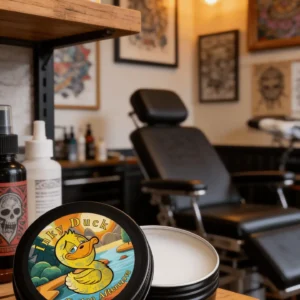
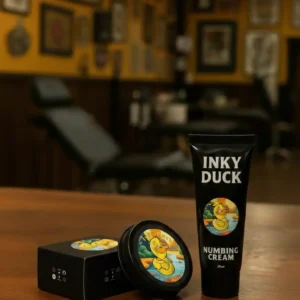
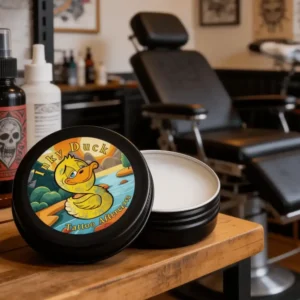
Using a slightly richer moisturizer in winter than in summer is also worth considering. Heavier oil-based formulations like tattoo aftercare balms, the kind Inky Duck produces with shea butter and jojoba oil as core ingredients, provide more lasting hydration in dry conditions than lighter water-based lotions that evaporate quickly in low-humidity environments.
Running a humidifier in your home during winter adds moisture back to the air and reduces how much the skin loses throughout the day and overnight. For people with multiple tattoos or particularly dry skin, this makes a noticeable difference in how the skin feels and looks through the winter months.
Summer — The UV Season
Summer brings the opposite challenge. Humidity is usually higher, which is easier on skin hydration. But UV exposure increases dramatically, and this is when the most significant long-term damage to tattoo ink accumulates for most people.
UV Accumulation During Summer
Summer sun exposure is more intense and more prolonged than at other times of year. People spend more time outdoors, more skin is exposed, and the UV index is higher. For tattooed skin, this means the season when the most UV damage accumulates, the photodegradation of ink pigment that causes long-term fading happens faster during summer than during any other time of year.
Tattoos on regularly exposed areas, forearms, shoulders, calves, the back of the neck, accumulate significant UV exposure over a summer without consistent protection. The difference between a consistently protected tattoo and an unprotected one becomes visible faster in summer than it does over the quieter UV months.
Summer Tattoo Care
Broad-spectrum SPF 30 or higher applied consistently to exposed tattoos is the main summer adjustment. For regular daily outdoor exposure, applying in the morning and reapplying after swimming or heavy sweating maintains meaningful protection through the day.
Lighter moisturizers work better in summer for most people because heavier formulations can feel uncomfortable in heat and humidity. A lighter fragrance-free lotion applied once daily in summer is usually sufficient for hydration, with the focus shifting toward sun protection as the primary maintenance concern during these months.
For fresh tattoos healing during summer, extra vigilance around sun exposure matters more than at any other time of year. Keeping a healing tattoo fully covered from direct sunlight during the summer healing period requires more planning than during winter months when covering up is natural.
Spring & Autumn — Transition Seasons
Spring and autumn create transition conditions that require some awareness rather than dramatic routine changes.
Spring
Spring brings increasing UV levels alongside unpredictable weather. People often transition out of winter routines before UV levels have actually come down enough to reduce protection needs. Starting sun protection habits in spring rather than waiting until summer is the most practical approach, UV levels climb significantly in spring months and cause real damage even before the peak summer intensity.
Skin condition tends to improve in spring as humidity rises from winter lows. Reducing moisturizing frequency from the winter routine back to once daily is usually appropriate as conditions improve.
Autumn
Autumn is the season when UV exposure drops but skin starts facing increasing dryness from cooling temperatures and early heating season. The transition back to heavier moisturizing and higher application frequency makes sense as autumn progresses toward winter.
Sun protection remains relevant through autumn, UV levels drop but don’t disappear, and continued protection on regularly exposed tattoos through autumn extends the summer protection into a year-round habit rather than a seasonal one.
Year-Round Principles
The seasonal adjustments are variations on the same basic principles, moisturize consistently to maintain skin hydration, protect from UV exposure to prevent pigment breakdown, and adjust the intensity of both based on what the current conditions require.
Building these habits into a year-round routine rather than thinking of them as seasonal measures is the most effective approach. Consistent daily moisturizing and sun protection maintained through all four seasons provides cumulative benefit that protective measures used only in summer cannot match. The tattoos that look best after ten years are the ones whose owners treated the routine as year-round maintenance rather than a warm-weather consideration.