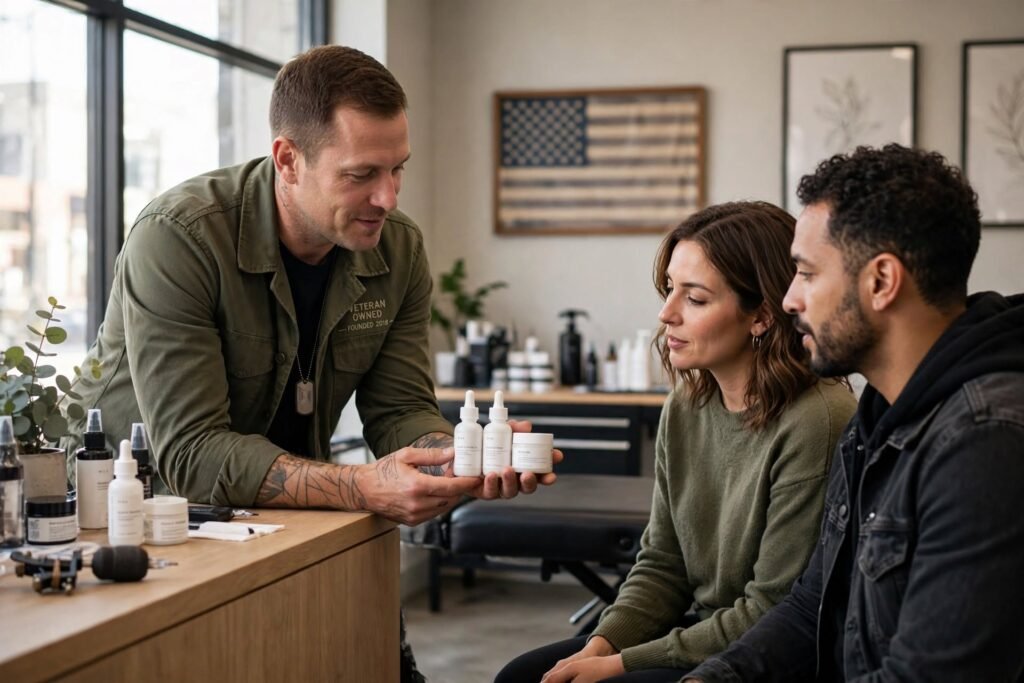
The tattoo industry has always had a strong sense of community identity. Artists and studios are selective about what they associate with, what they recommend, and whose products end up in their space. That selectivity has a lot to do with authenticity, the industry has seen enough outsiders try to capitalize on tattoo culture without actually being part of it to develop a sharp instinct for telling the difference.
Veteran-owned brands are earning genuine loyalty in this space, and the reasons go deeper than the patriotic angle that sometimes gets attached to veteran business stories. The connection between military culture and tattoo culture is real and longstanding, and the values that define strong veteran-owned businesses happen to align closely with what artists and studio owners actually want from the brands they work with.
The Longstanding Connection Between Military Culture & Tattooing
Tattooing and military service have been intertwined for centuries. Sailors, soldiers, and service members across different eras and different countries have used tattoos to mark service, commemorate losses, celebrate homecomings, and build identity within their units. The tradition is so established that military tattooing has its own visual language, anchors, eagles, banners, daggers, specific imagery that carries specific meaning within specific branches.
This connection means that veteran-owned brands entering the tattoo space are not outsiders trying to borrow cultural credibility. They’re coming from a community that has been part of tattoo culture for generations. That origin matters to artists and studio owners who have developed sensitivity to who actually belongs in this space and who is just passing through.
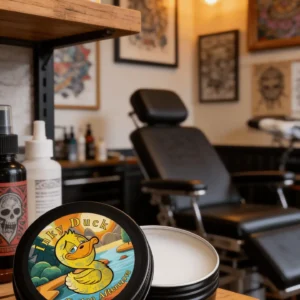
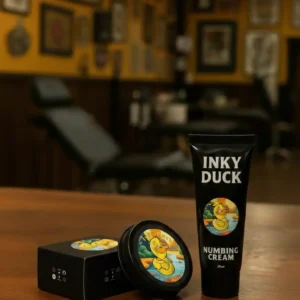
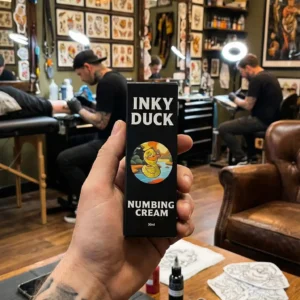
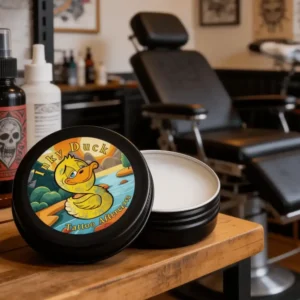
When a veteran-owned aftercare brand like Inky Duck comes to the table, the conversation starts differently than it does with a brand that came out of general skincare looking for a new market. The shared cultural ground is real, and it changes how the relationship develops.
What Military Service Builds That Translates Directly to Business
Veterans who start businesses bring a set of characteristics from their service that show up consistently across veteran-owned companies. These are not soft cultural attributes, they’re operational habits built through years of high-stakes environments where the cost of cutting corners was immediate and serious.
Attention to Product Quality
Military service involves working with equipment where quality is not optional. A piece of gear that doesn’t perform when it needs to perform has consequences. Veterans who build products carry that standard into their formulation decisions. Cutting corners on ingredients to save margin is a different kind of decision when the person making it has spent years in environments where the quality of what you rely on genuinely matters.
This shows up in how veteran-owned aftercare brands approach formulation. The question isn’t what’s the cheapest formula that can be marketed as premium, it’s what actually works for healing tattooed skin and how do we build that. Artists and studio owners who have evaluated enough aftercare products to develop real opinions about what separates good formulation from bad formulation recognize this difference when they see it.
Reliability & Follow-Through
Military culture places enormous emphasis on doing what you said you would do. Commitments are not provisional. Deadlines are not suggestions. Supply issues get resolved rather than explained away. For studio owners managing inventory and making promises to clients about what aftercare they’ll be leaving with, a wholesale partner whose reliability matches those commitments is worth paying attention to.
Veteran-owned businesses tend to have low tolerance for the kind of supplier behavior that makes managing a business harder, late shipments, inconsistent product quality, slow responses to problems. The operational standards from military service transfer directly to how these businesses are run, and the studios that work with them notice the difference.
Transparency
In military contexts, unclear communication has consequences. Veteran leaders are trained to communicate clearly, directly, and without unnecessary hedging. Veteran-owned businesses tend to carry this into how they engage with wholesale partners, clear pricing, clear terms, clear expectations, clear answers to direct questions.
For artists and studio owners evaluating a wholesale partner, this kind of transparency is not something to take for granted. There are enough brands in the aftercare space that obscure their ingredient quality behind marketing language, offer unclear wholesale terms, or are slow to give straight answers to direct questions about formulation or logistics. A brand that communicates the way veteran-owned brands tend to communicate stands out in that context.
Why Community Values Drive Loyalty in the Tattoo Industry Specifically
The tattoo industry runs on trust and reputation in a way that most consumer markets don’t. Artists build careers on the strength of their work and the quality of their relationships with clients and other artists. Studios build reputation over years of consistent quality and client experience. Endorsements carry weight because people in this industry know each other and talk to each other, and a bad recommendation has consequences that extend beyond a single transaction.
In this environment, the backstory of the brands artists align with matters. Partnering with a brand because it offered the best wholesale margin is a transaction. Partnering with a brand because its values align with yours, its product works, and its team operates with integrity is a relationship. The difference shows up in how artists talk about the brands they recommend, one gets a price mention, the other gets a genuine endorsement.
Veteran-owned brands earn genuine endorsements in the tattoo industry because the values alignment is real. Service, integrity, quality, community, these are not marketing words when they come from brands built by people who structured their lives around them before they started a business.
What This Means for Studio Wholesale Decisions
For studio owners evaluating wholesale aftercare partners, the veteran-owned angle is not the primary criterion, product quality and wholesale terms have to work first. But when product quality is strong, terms are fair, and the operational reliability is there, the brand story becomes a meaningful differentiator.
Artists who stock Inky Duck are not just stocking an aftercare product. They’re aligning with a brand that was built by someone who served, who understands the tattoo community from the inside, and who brought the standards of military service into how the product is made and how the business is run. That alignment is something artists can talk about authentically with clients, and authenticity is the currency that matters most in this industry.
The loyalty that veteran-owned brands are building in the tattoo space is not manufactured through marketing campaigns or influencer partnerships. It’s earned through consistent product performance, reliable business conduct, and genuine community connection. Those are slow things to build and hard things to fake, which is exactly why the loyalty they generate tends to last.