Getting a tattoo is not just a style choice, it’s a permanent decision that involves legal responsibility, physical commitment, and emotional maturity. One of the most common questions first-time clients ask is: how old do you have to be to get a tattoo?
In professional tattoo studios, age requirements are taken very seriously because tattoos involve skin penetration, long-term healing, and informed consent. This guide breaks down everything you need to know from legal rules to real-world studio practices used by professionals in the industry, including studios like Inky Duck Tattoo.
Immediate Answer
In most places, you must be 18 years old or older to get a tattoo without parental consent. Some regions allow minors (typically 16–17) to get tattoos with strict parental permission and studio approval.
Quick Facts:
- Legal age: Usually 18+
- With parental consent: Sometimes 16–17 (varies by location)
- Pain level: Moderate to high depending on placement
- Cost range: $50–$2,500+ depending on size and style
- Healing time: 2–4 weeks
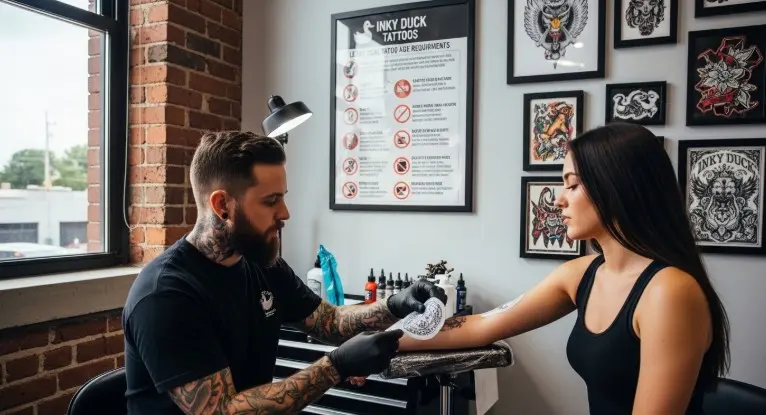
Even where it is legally allowed, many professional studios, including Inky Duck Tattoos, often refuse underage tattoos to maintain ethical safety standards and long-term client responsibility.
Core Explanation: Age Requirements in Tattooing
Legal Meaning Behind Tattoo Age Limits
Tattoo age laws exist to ensure that individuals fully understand the permanence of body art before making a lifelong decision. Because tattoos involve needles, ink, and skin trauma, legal systems regulate age to protect minors from impulsive choices.
Cultural & Industry Standards
- In most Western countries, 18 is the universal legal standard
- Some regions allow 16–17 with parental consent and physical presence
- Many professional studios apply stricter internal rules than the law requires
- Reputable artists prioritize ethical responsibility over business pressure
Who Tattoo Age Rules Are Designed For
- First-time tattoo clients
- Teenagers exploring body art
- Parents seeking legal clarity
- Tattoo studios ensuring compliance and hygiene safety
Tattoo Design Insights (Age-Appropriate Considerations)
Popular Tattoo Types for First-Time Clients
Younger or first-time clients (when legally allowed) often choose:
- Minimalist fine-line tattoos
- Small symbolic designs (names, initials, dates)
- Tiny floral or geometric patterns
- Simple script tattoos
Style Options
- Minimalist / fine-line (most beginner-friendly)
- Traditional bold linework
- Black & grey shading
- Neo-traditional designs
- Light realism (usually for more experienced clients)
Placement Ideas for Beginners
- Forearm (balanced pain and visibility)
- Upper arm (low pain, easy healing)
- Wrist (small but sensitive)
- Shoulder (good hidden option)
- Ankle (discreet but slightly painful)
Placement choice depends on pain tolerance, lifestyle, and visibility preference.
People Also Ask
- How old do you have to be to get a tattoo legally?
- Can you get a tattoo at 16 with parental consent?
- Does getting a tattoo hurt?
- How much does a first tattoo cost?
- How long do tattoos last?
- Is it safe to get a tattoo at a young age?
- Can tattoos be removed later if you regret them?
Getting a Tattoo Safely
How to Choose the Right Tattoo Design
- Start with a meaningful idea (avoid impulsive trends)
- Research tattoo styles that fit your personality
- Collect reference images for clarity
- Think long-term—will it still matter in 10 years?
How to Prepare for a Tattoo Session
- Sleep properly the night before
- Eat a full meal before your appointment
- Avoid alcohol and blood-thinning substances
- Wear comfortable clothing for access to the area
Tattoo Aftercare Steps
- Keep the protective wrap on as instructed
- Wash gently with fragrance-free soap
- Apply a thin layer of healing ointment
- Avoid sun exposure, swimming, and heavy sweating
- Do not scratch or peel healing skin
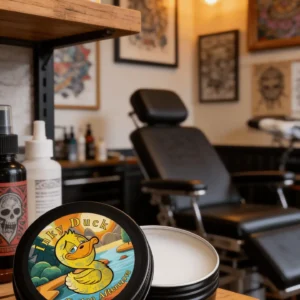
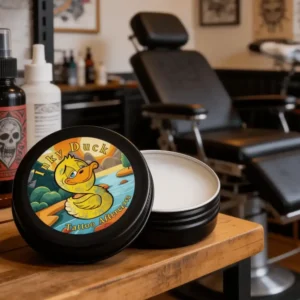
For enhanced recovery, many clients use products like the Inky Duck Comfort + Aftercare Bundle, which helps maintain hydration and supports healing when used correctly.
Comparison Table
Tattoo Styles Comparison
| Style | Detail Level | Pain Level | Best For |
|---|---|---|---|
| Minimalist | Low | Low | First tattoos, subtle designs |
| Traditional | Medium | Moderate | Bold classic tattoos |
| Realism | Very High | High | Portraits and detailed artwork |
| Black & Grey | High | Moderate | Soft shading, emotional pieces |
| Neo-traditional | High | Moderate | Modern artistic designs |
Placement vs Pain Level
| Area | Pain Level | Notes |
|---|---|---|
| Upper arm | Low | Best beginner area |
| Forearm | Medium | Balanced visibility |
| Wrist | Medium–High | Sensitive area |
| Rib area | Very High | Most painful zone |
| Thigh | Medium | Large design space |
Temporary vs Permanent Tattoos
| Type | Duration | Cost | Commitment |
|---|---|---|---|
| Temporary | Days–Weeks | Low | Very low |
| Semi-permanent | Months | Medium | Medium |
| Permanent tattoo | Lifetime | High | Very high |
Safety & Aftercare Section
Healing Process
- Initial healing: 7–14 days
- Full recovery: 4–6 weeks
- Light peeling and itching are completely normal
Infection Risks
- Unsterile equipment or poor hygiene
- Touching tattoo with dirty hands
- Swimming too early
- Over-moisturizing or blocking airflow
Do’s and Don’ts
Do:
- Follow aftercare instructions strictly
- Keep tattoo clean and dry
- Use sunscreen after full healing
Don’t:
- Pick or scratch scabs
- Expose fresh tattoo to sunlight
- Wear tight or irritating clothing
Long-Term Care
- Regular moisturizing prevents fading
- UV protection preserves ink quality
- Touch-ups may be needed over time
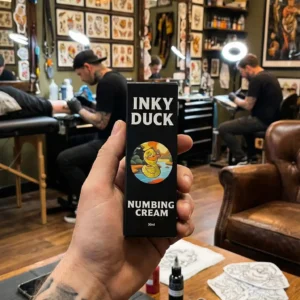
For sensitive skin or beginners, Inky Duck Numbing Cream is sometimes used before sessions to improve comfort during longer tattoo procedures.
Cost Breakdown Section
Average Tattoo Pricing
- Small tattoos: $50–$200
- Medium tattoos: $200–$800
- Large tattoos: $800–$2,500+
- Custom sleeve work: $3,000–$10,000+
Factors Affecting Cost
- Artist experience and reputation
- Design complexity (realism increases cost)
- Color vs black & grey work
- Placement on body
- Studio demand and location
FAQs
How old do you have to be to get a tattoo?
You generally need to be 18+, though some areas allow 16–17 with parental consent.
Can you get a tattoo at 16?
Yes, but only in certain regions with legal guardian consent and studio approval.
Is it safe to get a tattoo at a young age?
It is safe in licensed studios, but emotional maturity is equally important.
Does a tattoo hurt?
Yes, pain depends on placement and individual tolerance.
How much does a first tattoo cost?
Usually between $50 and $300 for small beginner designs.
Can tattoos be removed later?
Yes, but laser removal is expensive, painful, and not always fully effective.
What is the best age to get a tattoo?
Most professionals recommend waiting until at least 18 for long-term clarity.
What is the biggest mistake young people make with tattoos?
Getting impulsive designs without considering long-term meaning or placement.
All tattoo prices mentioned in this article are general industry estimates only and may vary depending on design complexity, artist experience, studio location, and individual requirements. Final pricing can differ significantly from client to client, and should be confirmed directly with the tattoo studio before booking.
Conclusion
Understanding how old do you have to be to get a tattoo is not just about legal requirements, it’s about readiness, responsibility, and long-term thinking. While laws may allow tattoos at 18 or younger with consent, professional standards in the tattoo industry prioritize maturity and informed decision-making above all.
A tattoo is permanent body art that should be carefully planned, not rushed. Choosing the right design, artist, and timing ensures your tattoo remains meaningful and visually strong for life.
Ultimately, the best tattoo decisions happen when legal eligibility and personal maturity align with professional guidance from trusted studios like Inky Duck Tattoos.