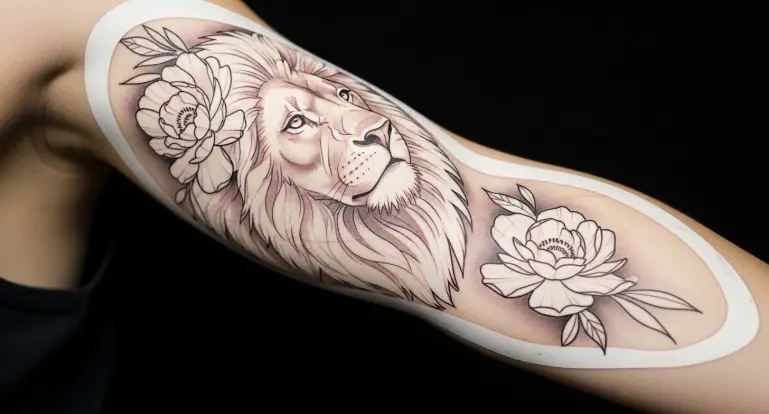
Designing a tattoo sleeve is one of the most meaningful commitments in body art. Unlike a single tattoo, a sleeve transforms your entire arm into a continuous visual story. It requires planning, patience, and a clear artistic direction because once started, it becomes a long-term project that evolves over multiple sessions.
This guide breaks down exactly how to design a tattoo sleeve from concept to completion using real tattoo industry practices, including pain expectations, costs, design structure, and aftercare insights used by professional artist.
Immediate Answer
A tattoo sleeve is designed by planning a full-arm composition that connects multiple tattoo elements into a unified visual story. It involves choosing a central theme, selecting a tattoo style (traditional, realism, Japanese, tribal, etc.), mapping placements across the arm, and collaborating with an experienced tattoo artist to ensure visual flow and balance.
Quick Facts:
- Pain level: Moderate to high (elbow and wrist are most painful)
- Time required: 10–40+ hours across multiple sessions
- Cost range: $1,500–$10,000+ depending on detail and artist
- Healing time: 2–4 weeks per session
A successful sleeve is never random it is a carefully structured visual narrative that flows naturally across the arm.
Core Explanation: What a Tattoo Sleeve Means
Meaning & Concept of a Tattoo Sleeve
A tattoo sleeve is a large-scale tattoo composition covering most or all of the arm. It is designed to look unified rather than a collection of separate tattoos.
Common meanings include:
- Personal storytelling (life journey, achievements, memories)
- Cultural identity (tribal heritage, Japanese symbolism)
- Artistic expression (abstract, surreal, or mixed styles)
Who It’s Best For
A tattoo sleeve is ideal for:
- People committed to long-term tattoo planning
- Individuals who prefer cohesive body art over standalone tattoos
- Clients ready for multiple sessions and financial investment
Cultural Significance
- Japanese Irezumi sleeves: Mythology, protection, honor, spiritual symbolism
- Tribal sleeves: Identity, ancestry, strength, warrior heritage
- Western traditional sleeves: Personal symbolism, bold storytelling, iconic imagery
Tattoo Design Insights
Popular Sleeve Variations
- Full sleeve (shoulder to wrist)
- Half sleeve (shoulder to elbow)
- Quarter sleeve (upper arm only)
- Patchwork sleeve (separate tattoos unified later)
Style Options
- Traditional / Old School
- Realism (black & grey or color)
- Japanese Irezumi
- Tribal / Polynesian
- Neo-traditional
- Blackwork / geometric
- Minimalist fine-line sleeves
Placement Flow Considerations
- Shoulder: Main focal point (hero imagery)
- Outer arm: Most visible area (bold elements)
- Inner arm: Detail-heavy storytelling space
- Elbow: Transition zone (high pain, tricky flow)
- Wrist: Final visual anchor
A professional sleeve design always respects flow, spacing, and visual hierarchy.
People Also Ask
- Does a tattoo sleeve hurt more than a single tattoo?
- How much does a full sleeve tattoo cost?
- How long does it take to complete a sleeve?
- Can you design a tattoo sleeve in stages?
- Is a tattoo sleeve safe for all skin types?
- Can a tattoo sleeve be removed or covered up?
- What is the best age to get a sleeve tattoo?
How to Design a Tattoo Sleeve
Step 1: Define Your Theme
Choose a clear direction:
- Mythology (Greek gods, Norse legends)
- Nature (animals, forests, oceans)
- Personal story (life milestones)
- Abstract or geometric flow
Step 2: Choose a Consistent Style
Stick to one dominant style or a controlled mix:
- Realism + black & grey shading
- Japanese full-flow composition
- Traditional bold outlines
Step 3: Collect References
- Save tattoo inspiration images
- Study arm flow examples
- Identify shading and composition styles you like
Step 4: Consult a Professional Tattoo Artist
A skilled sleeve artist will:
- Design flow across muscle structure
- Balance negative space
- Ensure long-term visual consistency
How to Prepare for a Tattoo Session
- Stay hydrated and well-rested
- Avoid alcohol and blood thinners
- Wear loose, accessible clothing
- Eat a full meal before appointment
Tattoo Aftercare Steps
- Keep wrap on as instructed
- Wash gently with fragrance-free soap
- Apply a thin layer of healing ointment
- Avoid sunlight, swimming, and sweating
- Do not scratch or pick scabs
Comparison Table
Tattoo Styles Comparison
| Style | Detail Level | Pain Level | Best For |
|---|---|---|---|
| Traditional | Medium | Moderate | Bold, timeless designs |
| Realism | Very High | High | Portraits, nature |
| Japanese | High | High | Story-driven sleeves |
| Tribal | Medium | Moderate | Cultural symbolism |
| Minimalist | Low | Low | Clean, subtle designs |
Placement vs Pain Level
| Arm Area | Pain Level | Notes |
|---|---|---|
| Outer upper arm | Low | Most comfortable area |
| Inner arm | Medium | Sensitive skin zone |
| Elbow | High | Bone + nerve concentration |
| Wrist | High | Thin skin, high sensitivity |
Temporary vs Permanent Tattoos
| Type | Duration | Cost | Commitment |
|---|---|---|---|
| Temporary | Days–Weeks | Low | Low |
| Semi-permanent | Months | Medium | Medium |
| Permanent sleeve | Lifetime | High | Very High |
Safety & Aftercare
Healing Process
- Initial healing: 7–14 days
- Full recovery: 4–6 weeks
- Peeling and itching are normal stages
Infection Risks
- Poor hygiene during healing
- Touching with unclean hands
- Swimming too early
- Over-moisturizing or under-cleaning
Do’s and Don’ts
Do:
- Keep tattoo clean and moisturized with Inky Duck Aftercare Balm
- Follow artist instructions strictly
- Apply sunscreen after full healing
Don’t:
- Scratch or peel scabs
- Expose fresh tattoo to sunlight
- Wear tight clothing over healing skin
Long-Term Care
- Moisturize regularly
- Use SPF to prevent fading
- Schedule touch-ups when needed
Cost Breakdown Section
Average Tattoo Sleeve Pricing
- Small sleeve: $1,500–$3,000
- Medium sleeve: $3,000–$6,000
- Full custom sleeve: $6,000–$10,000+
Factors Affecting Cost
- Artist skill level and reputation
- Style complexity (realism costs more)
- Color vs black & grey work
- Geographic location
- Number of sessions required
FAQs
What is the best way to start planning how to design a tattoo sleeve?
Start with a clear theme, choose a style, and consult an experienced tattoo artist.
How to design a tattoo sleeve that looks cohesive?
Use consistent shading, a central theme, and planned negative space.
How long does it take to complete a tattoo sleeve?
Typically 3–12 months depending on complexity and scheduling.
Does a tattoo sleeve hurt?
Yes, especially on the elbow, wrist, and inner arm.
Can I design a tattoo sleeve in stages?
Yes, most sleeves are built gradually over multiple sessions.
How much does it cost to design and complete a sleeve?
Usually $1,500–$10,000+ depending on detail and artist.
Can a tattoo sleeve be removed later?
Yes, but laser removal is costly, painful, and not always fully effective.
What is the biggest mistake when designing a tattoo sleeve?
Getting random tattoos without a unified plan or theme.
Conclusion
Designing a tattoo sleeve is a long-term artistic journey that demands planning, patience, and collaboration with a skilled tattoo artist. A well-executed sleeve should flow naturally, tell a meaningful story, and maintain balance between detail and negative space.
Instead of rushing into random designs, invest time in building a concept you will value for life, because a tattoo sleeve is not just body art, it becomes a permanent visual identity.
Disclaimer
Prices mentioned in this article are not official from Inky Duck Tattoos and may vary depending on artist, location, and design complexity.