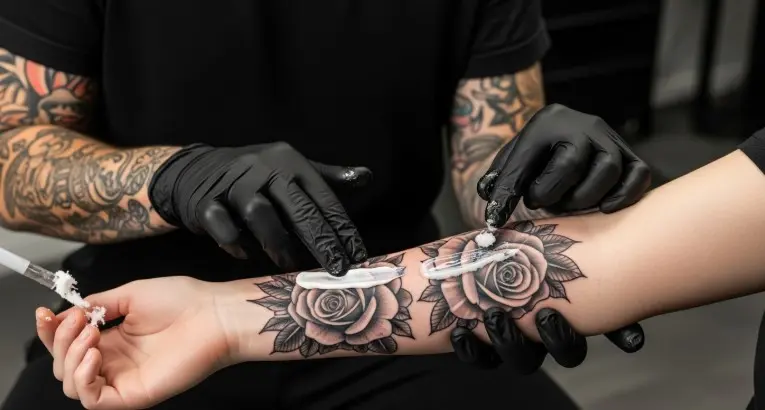
Getting a new tattoo is exciting, but what happens after the needle comes out matters just as much as the design itself. Proper aftercare determines whether your tattoo heals into a crisp, vibrant piece of art or fades into a patchy disappointment.
One question tattoo clients ask all the time is: is coconut oil good for tattoo aftercare?
The answer isn’t a simple yes or no it depends entirely on when and how you use it.
This expert guide breaks down everything you need to know from a real tattoo industry perspective, including healing stages, safety risks, design impact, and professional aftercare standards used in studios.
Immediate Answer
Short Answer:
Yes, coconut oil can be good for tattoo aftercare, but only during the correct healing phase.
It works best after the first 3–5 days, once the tattoo is no longer an open wound.
Key Benefits
- Deeply moisturizes dry, peeling skin
- Reduces itching during healing
- Helps maintain skin elasticity
- Contains natural antibacterial fatty acids
Key Risks
- Can clog pores if used too early
- May trap bacteria on fresh wounds
- Not suitable for all skin types
Healing Timeline
- Surface healing: 2–4 weeks
- Full skin recovery: 6–8 weeks
Pain Level (Aftercare Phase)
- No tattoo pain only mild itching or tightness during healing
Pro Tip (From Tattoo Artists)
Always follow your artist’s aftercare instructions first. Coconut oil is a secondary moisturizer, not a replacement for early-stage tattoo ointments.
ore Explanation: Understanding Tattoo Aftercare & Coconut Oil
What Is Tattoo Aftercare and Why It Matters
Tattoo aftercare is a structured healing process designed to protect your skin and preserve ink quality. In professional studios, aftercare is considered just as important as the tattooing process itself.
Proper aftercare:
- Prevents infection and skin damage
- Ensures proper ink retention
- Maintains sharpness and color vibrancy
- Reduces scarring and patchiness
What Is Coconut Oil?
Coconut oil is a natural fat extracted from coconut meat. In skincare, it is known for:
- Lauric acid (antibacterial properties)
- Deep moisturizing ability
- Anti-inflammatory effects
However, in tattoo healing, “natural” doesn’t always mean “safe for every stage.”
Is Coconut Oil Good for Tattoo Aftercare? (Deep Explanation)
From a tattoo artist’s perspective, coconut oil is best classified as a late-stage healing moisturizer, not an initial healing product.
It helps by:
- Hydrating flaky, peeling skin
- Soothing itchiness during regeneration
- Creating a light protective barrier over healed skin
But it should NEVER be applied when:
- The tattoo is still weeping plasma or ink
- Scabs are fresh and soft
- Skin is open or irritated
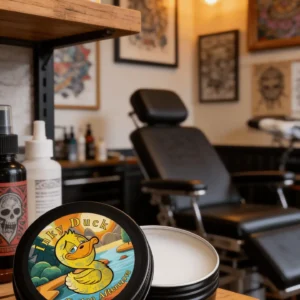
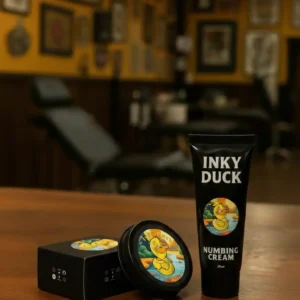
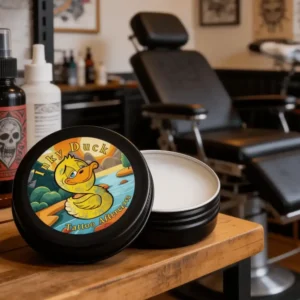
Using it too early can slow healing and increase infection risk. For a more reliable and artist-approved option, you can use the Inky Duck Comfort + Aftercare Bundle, which is specially formulated for all healing stages and is considered more effective than coconut oil for consistent tattoo aftercare results.
Who Should Use Coconut Oil for Tattoos
Coconut oil works best for:
- Clients with dry or normal skin types
- People in the peeling phase of healing
- Those seeking natural skincare alternatives
Avoid if you:
- Have acne-prone or oily skin
- Experience frequent skin irritation
- Are in the early healing stage
Tattoo Design Insights (Industry Context)
Tattoo aftercare doesn’t just affect skin, it directly impacts how your design ages over time.
How Aftercare Affects Tattoo Quality
- Poor aftercare → patchy ink, faded lines, uneven healing
- Proper aftercare → bold lines, smooth shading, long-lasting color
Popular Tattoo Styles & Healing Sensitivity
- Fine Line Tattoos
Require careful moisturizing. Over-moisturizing can blur delicate lines. - Traditional Tattoos
Heals more forgivingly due to bold outlines but still needs hydration. - Realism Tattoos
Highly sensitive to healing mistakes moisture balance is critical. - Color Tattoos
Most vulnerable to fading without proper care.
Placement & Healing Considerations
- Arms & Shoulders: Faster healing, lower friction
- Hands & Feet: High fading risk, frequent touch exposure
- Chest & Back: Slower healing due to clothing pressure
People Also Ask
Does using coconut oil on a tattoo hurt?
No, it doesn’t cause pain but applying it too early can irritate fresh skin.
How much does tattoo aftercare cost?
Typically between $10–$50, depending on products used.
How long should you wait before using coconut oil?
Usually 3–5 days, or when the tattoo stops oozing.
Is coconut oil safe for all tattoo types?
Mostly yes, but skin type and healing stage matter more than tattoo style.
Can coconut oil fade a tattoo?
No. When used correctly, it supports hydration and skin recovery.
Can you use coconut oil instead of tattoo cream?
Only during later healing stages not immediately after getting tattooed.
How to Use Coconut Oil for Tattoo Aftercare
Step 1: Follow Initial Healing Instructions
For the first 2–3 days:
- Use artist-recommended ointment
- Keep tattoo covered if instructed
- Avoid heavy moisturizers
Step 2: Clean the Tattoo Properly
- Wash with mild, fragrance-free soap
- Use lukewarm water only
- Pat dry gently (never rub)
Step 3: Wait for the Right Stage
Only apply coconut oil when:
- Tattoo is no longer wet or leaking
- Scabs have formed and started drying
- Skin feels tight or itchy
Step 4: Apply a Thin Layer
- Use a pea-sized amount
- Massage gently into skin
- Avoid thick or greasy application
Step 5: Repeat 2–3 Times Daily
- Monitor skin response
- Reduce usage if oil buildup occurs
Step 6: Watch for Irritation
Stop immediately if you notice:
- Red bumps
- Excess oil clogging pores
- Increased redness or discomfort
Coconut Oil vs Tattoo Aftercare Products
| Feature | Coconut Oil | Tattoo Ointment (e.g., Aquaphor) | Tattoo Lotion |
|---|---|---|---|
| Best Stage | Mid–Late Healing | Early Healing | Full Healing |
| Hydration Level | Medium | High | Medium |
| Breathability | Moderate | Low | High |
| Risk of Irritation | Low–Moderate | Moderate | Low |
| Natural Option | Yes | No | Sometimes |
| Cost | Low ($5–$15) | Medium ($10–$25) | Medium |
Safety & Aftercare Section (Critical for Healing)
Tattoo Healing Process Explained
- Day 1–3: Redness, swelling, light oozing
- Day 4–10: Scabbing and peeling phase
- Day 11–30: Skin regeneration and fading itch
When NOT to Use Coconut Oil
- On fresh, open tattoos
- During active scabbing
- If acne or irritation is present
Tattoo Aftercare Do’s
- Keep the tattoo clean
- Moisturize lightly and consistently
- Wear loose, breathable clothing
Tattoo Aftercare Don’ts
- Don’t pick or scratch scabs
- Don’t over-moisturize
- Avoid swimming and direct sun exposure
Infection Warning Signs
Seek help if you notice:
- Excessive redness or swelling
- Pus or foul odor
- Fever or increasing pain
Cost Breakdown: Tattoo Aftercare Expenses
Average Aftercare Costs
- Basic setup: $10–$30
- Premium healing kits: $30–$80
What Affects Cost
- Tattoo size and placement
- Artist-specific recommendations
- Skin sensitivity and healing needs
Is Coconut Oil Cost-Effective?
Yes. Coconut oil is:
- Affordable
- Widely available
- Multi-purpose (skin + healing support)
But cost alone should never override proper healing practices.
FAQs (Tattoo Aftercare Focused)
1. Is coconut oil good for tattoo aftercare on all skin types?
It works for most skin types but always patch test first.
2. Can I use coconut oil immediately after getting a tattoo?
No. Wait until initial healing begins (3–5 days minimum).
3. How often should I apply coconut oil?
2–3 times daily in thin layers during the healing phase.
4. Does coconut oil help with tattoo itching?
Yes, it helps soothe dryness and peeling skin.
5. Can coconut oil cause tattoo infections?
Only if applied too early or on unclean skin.
6. Is coconut oil better than tattoo aftercare creams?
It depends on healing stage, creams are better early on.
7. Will coconut oil make my tattoo fade faster?
No, proper hydration actually helps preserve ink quality.
Conclusion
So, is coconut oil good for tattoo aftercare?
Yes, but only when used correctly and at the right stage of healing.
From a professional tattoo industry perspective, coconut oil is best seen as a supportive moisturizer for later healing, not a primary aftercare solution for fresh ink.
The key takeaway is simple:
- Early stage = medical-grade tattoo ointment
- Mid-to-late stage = lightweight moisturizers like coconut oil
- Long-term care = consistent hydration and sun protection
If you treat your tattoo like a healing piece of skin not just artwork, you’ll preserve its detail, color, and clarity for years to come.