
Sitting for a long tattoo session is not just about tolerating pain. It’s a physically and mentally demanding experience that most people underestimate until they’re a few hours in and starting to feel it. The adrenaline of the first hour fades. The position you’re in starts to feel less comfortable. The sounds of the machine that seemed manageable at the start become harder to tune out.
People who prepare well for long sessions have a noticeably different experience than those who show up without thinking about it. Here’s what that preparation actually looks like.
Setting Realistic Expectations Before You Go In
The first thing worth doing is having an honest conversation with yourself about what a long session actually involves. Four hours is very different from two. Six hours is a different animal again. If it’s your first session over three hours, going in knowing that the second half will feel harder than the first helps you pace yourself mentally rather than being caught off guard when the fatigue sets in.
Pain tolerance shifts during a long session. The body’s natural adrenaline response, which blunts pain in the early part of a session, diminishes over time. The inflammatory response in the skin builds up, which makes the area increasingly sensitive as the hours go on. Areas that felt manageable in hour one may feel noticeably more intense in hour three. That’s not a sign that something is wrong. It’s just how the body works during extended tattooing.
Knowing this in advance means you can approach the later part of a session with the right mindset rather than interpreting the increased sensitivity as the session being unbearable.
Physical Preparation in the Days Before
Sleep
Sleep is one of the most underrated preparation factors for a long session. Pain tolerance is measurably lower when you’re sleep-deprived. The ability to sit still, stay calm, and manage discomfort for several hours is significantly harder when you’re running on five hours of sleep.
Prioritizing sleep in the two or three nights before a long session gives your body and mind the resources they need for what is genuinely a demanding physical experience. This is not an exaggeration, the difference between sitting for a six-hour session well-rested versus exhausted is substantial.
Physical Conditioning
You don’t need to do anything dramatic, but going into a long session with your body in reasonable physical condition helps. Light exercise in the days before, walking, stretching, whatever your normal movement looks like, keeps circulation good and reduces the general physical tension that makes sitting still harder.
Avoid intense exercise in the 24 hours before the session. Heavy training the day before leaves muscles sore and fatigued, which makes maintaining a position for hours more uncomfortable than it otherwise would be.
Skin Preparation
The condition of your skin going into the session matters for both the tattooing process and the healing that follows. Well-hydrated skin works better under the needle and heals more cleanly afterward. Moisturizing the area being tattooed consistently in the week or two before the session, not the day of, but in the lead-up, builds the skin’s hydration level and surface condition.
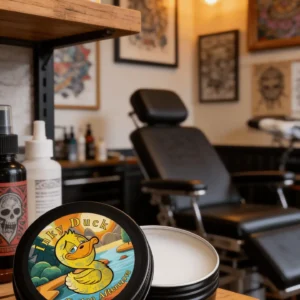
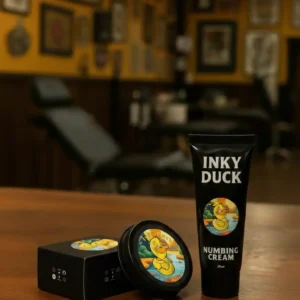
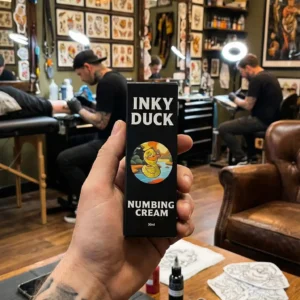
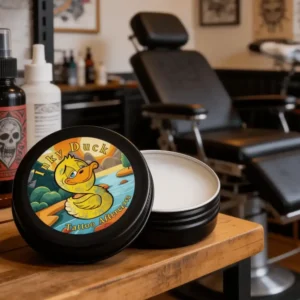
Brands like Inky Duck make aftercare products designed for exactly this kind of ongoing skin maintenance. Using their balm on the area in the days before a session keeps the skin in good condition going in, and having it ready for aftercare immediately after the session means the healing process starts with the right product from day one.
On the Day of the Session
Eat & Stay Hydrated
This gets its own emphasis because skipping it is genuinely common. A proper meal two to three hours before the session and consistent water intake through the day are non-negotiable for a long sitting. Blood sugar drops during extended sessions cause lightheadedness, nausea, and in some cases fainting, and all of it is preventable.
Bring snacks and water to the session itself. Most artists expect this for long sessions and welcome it during breaks.
Dress Comfortably & Practically
Wear comfortable clothing that gives easy access to the area being tattooed without being complicated to manage. You’ll potentially be in the same position for hours, and being physically comfortable in what you’re wearing reduces one source of discomfort. Loose, soft fabric is easier on healing skin at the end of the session too.
Arrive Without Rushing
Getting to the studio stressed and rushed from traffic or a chaotic morning makes settling into a long session harder. Give yourself enough time to arrive calmly, get set up, and have any last conversations with your artist before the session starts.
Mental Strategies During the Session
Break It Into Segments
A six-hour session is easier to manage as six one-hour segments than as a single six-hour block. Focusing on getting through the next hour rather than thinking about how much time remains keeps the mental load manageable. Each break is a milestone rather than just a pause.
Have Something to Focus On
Music, podcasts, audiobooks, or having something to watch helps significantly during long sessions for most people. Having your playlist or queue ready before you sit down means you’re not fumbling with your phone mid-session. Some people prefer silence and find external stimulation distracting, know which category you fall into.
Communicate With Your Artist
If you need a break, say so. Artists doing long sessions expect breaks and build them into the pace. Pushing through when you’re genuinely struggling affects your ability to stay still, which in turn affects the quality of the work. A five-minute break to stretch, eat something, and reset is better for everyone than sitting rigid and uncomfortable for another 45 minutes.
After the Session
The physical demand of a long session continues after you leave the studio. Plan for a low-key rest of the day. Your body has been through something significant, and the fatigue that hits a few hours after a long session is real.
Have your aftercare products ready before you go. The tattooed area needs to be cleaned and moisturized once you get home, and having everything on hand means you’re not making a pharmacy run while running on post-session fumes. Start the aftercare routine as soon as possible after the session ends and stay consistent with it through the healing period.