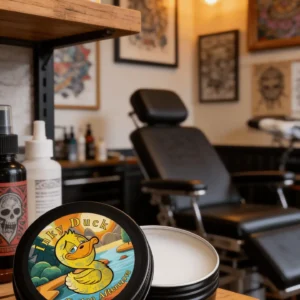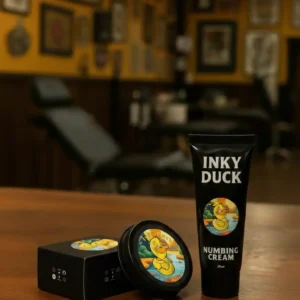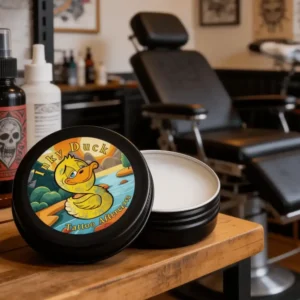
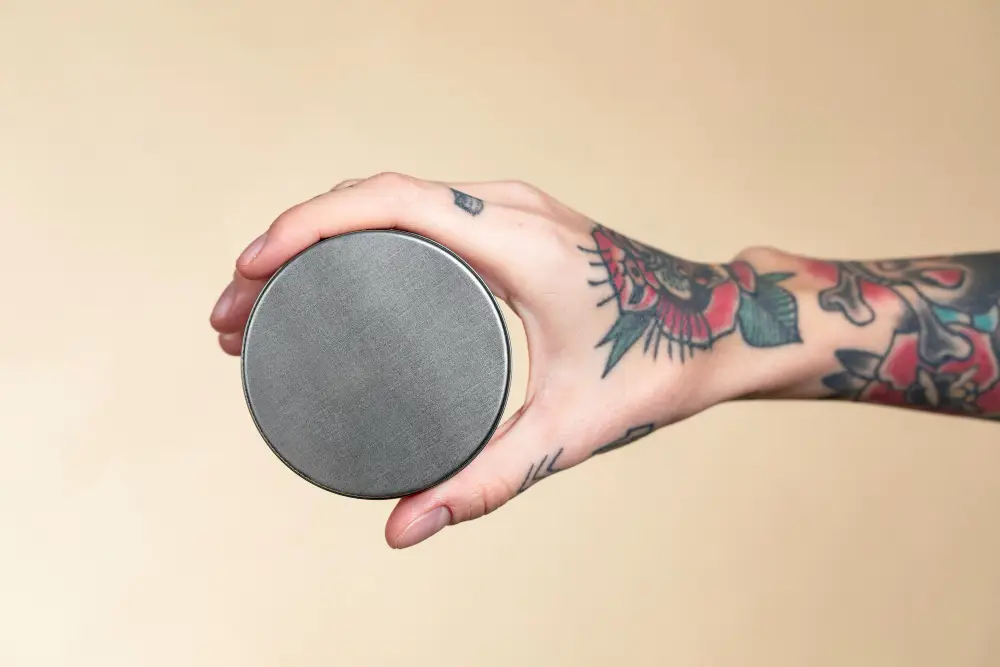
Most people think of tattoo balm as something you use for the first two weeks after getting inked and then put away. The healing is done, the skin looks normal, and the balm gets pushed to the back of a drawer somewhere. This is an understandable conclusion but a missed opportunity, because tattoo balm applied consistently to healed and aging tattoos does something real and visible for how those tattoos look over time.
The relationship between skin condition and ink appearance doesn’t end when the healing period does. It continues for as long as you have the tattoo, which for most people is the rest of their life.
Before getting into what balm does for old tattoos, it helps to understand why old tattoos look different in the first place.
The ink in a tattoo sits in the dermis and doesn’t go anywhere significant. What changes is the skin above it and the condition of that skin. The outer layers age, dry out, develop texture, and lose the qualities that let them present the ink below clearly. UV exposure breaks down pigment molecules over time. The skin’s natural moisture regulation becomes less effective with age. All of these changes affect the tattoo’s appearance without the ink itself moving much.
The result is a tattoo that looks flatter, more muted, and less defined than it did when fresh, not necessarily because significant ink has been lost, but because the skin presenting that ink is in worse condition than it was.
The most immediate and visible effect of applying a good tattoo balm to old tattooed skin is that the surface looks better. Well-hydrated skin interacts with light differently than dry skin. It has a quality that makes the ink below appear more defined and saturated. Dry skin creates a flat, matte surface that mutes the appearance of ink even when the pigment is largely intact.
This is not a permanent fix from a single application, it’s a cumulative effect that builds with consistent use. People who start a daily moisturizing habit for their older tattoos typically notice a meaningful improvement in how the ink looks within a few weeks. The ink hasn’t changed. The skin condition has, and the ink is being presented through a clearer surface.
Tattooed skin loses moisture through the surface at a slightly higher rate than untattooed skin. The tattooing process permanently alters the skin’s barrier function to a small degree, which means tattooed areas tend toward dryness more readily than surrounding skin. This is true for fresh tattoos during healing and it remains true for old tattoos years later.
A tattoo balm applied regularly helps maintain the barrier that slows this moisture loss. The oils and waxes in a well-formulated balm, shea butter, jojoba oil, beeswax, create a semi-occlusive layer that holds moisture in the skin between applications. This sustained hydration is more effective than a water-based lotion that delivers moisture quickly but allows it to evaporate just as fast.
Old tattoos that have gone through extended periods without consistent moisturizing develop a surface dullness that goes beyond what normal aging causes. Chronically dry skin builds up texture, loses its ability to reflect light cleanly, and creates an increasingly poor medium for ink to show through.
When a consistent moisturizing routine starts after a period of neglect, the improvement in how an old tattoo looks can be significant. The skin sheds the dull surface buildup, hydration levels restore, and the ink below starts reading more clearly. People who have done this often describe it as the tattoo looking like it woke up, not because anything dramatic happened, but because the skin condition that was suppressing its appearance improved.
The ingredient requirements for a balm used on old tattoos are similar to those for healing tattoos, with some shifts in emphasis.
For ongoing maintenance of healed and aging tattoos, the core moisturizing ingredients matter most. Shea butter provides deep, lasting hydration and absorbs without sitting heavily on the skin surface. Jojoba oil is structurally similar to the skin’s natural sebum and integrates well without clogging pores. Vitamin E provides antioxidant support that helps protect skin cells from the oxidative damage that drives some of the aging process.
Fragrance remains worth avoiding even for healed tattoos used daily over months and years. Cumulative exposure to fragrance compounds can cause low-level irritation that affects skin quality over time, and fragrance provides no benefit to the skin or the ink.
The practical challenge with long-term tattoo maintenance is consistency. It’s easy to moisturize during healing when the tattoo is front of mind. It’s harder to maintain the habit years later when the tattoo feels like an established part of the body rather than something that needs attention.
Attaching the habit to something already consistent, the post-shower routine, is the most reliable approach. Apply a thin layer of balm to tattooed areas after showering, when the skin is clean and slightly damp. That moisture on the skin surface helps the balm absorb and lock in hydration more effectively than applying to completely dry skin.
Once a day is enough for most people in most conditions. The cumulative effect of that single daily application builds over weeks and months into a visible and sustained improvement in how old tattoos look and feel.
Tattoo balm handles the hydration side of long-term ink preservation. Sun protection handles the UV side. Both matter, and one doesn’t replace the other.
UV exposure causes the pigment breakdown that balm cannot reverse, once ink is broken down by UV radiation, no topical product restores it. For old tattoos that have already lost some color to years of sun exposure, balm improves the skin condition around the remaining ink. Sunscreen from that point forward prevents further UV-driven loss.
The combination of daily balm and consistent sun protection is the full maintenance approach for old tattoos. Neither requires significant time or effort, and together they make a real, visible difference in how tattoos hold up over the years.