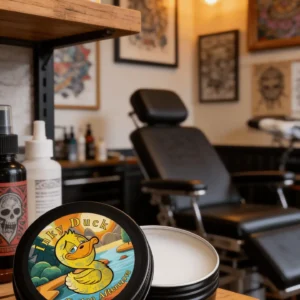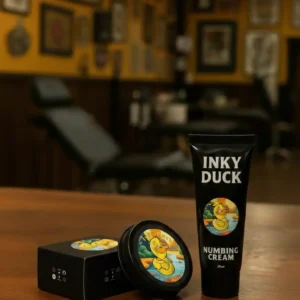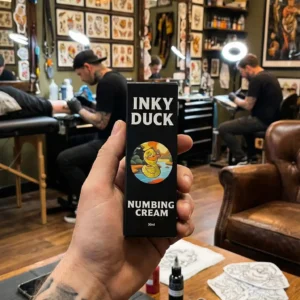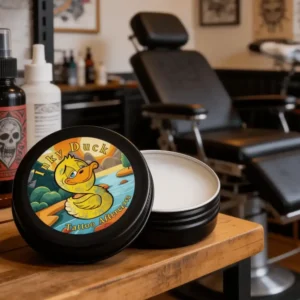
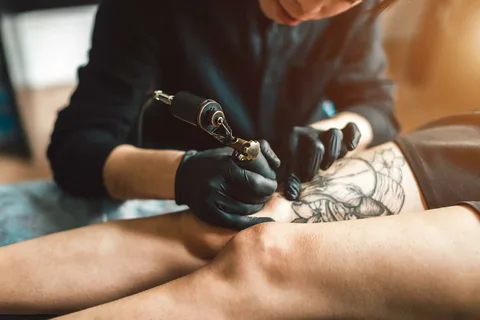
A tattoo healing balm is one of the most common aftercare products on the market, but not everyone knows what it actually does or why it matters. If you have asked “what does tattoo balm do,” the short answer is that it supports skin recovery after a tattoo and helps preserve the appearance of the ink long after it heals.
The longer answer covers hydration, barrier repair, color retention, and how a tattoo balm aftercare routine fits into the bigger picture of tattoo maintenance.
What Does Tattoo Balm Do During the Healing Phase
After a tattoo session, the skin goes through a recovery process. The outer layer becomes inflamed, tender, and prone to dryness. Over the next few weeks, that layer peels and regenerates while the ink settles into the dermis beneath it.
A tattoo healing balm supports this process in several ways.
Hydration and Barrier Repair
It keeps the surface hydrated so the skin does not crack or tighten as it heals. Dry skin pulls ink out during the peeling phase, which leads to patchy or faded spots.
It conditions the barrier with ingredients like shea butter, jojoba oil, and coconut oil, which help the outer layer rebuild without becoming rough or irritated.
Reducing Irritation
It reduces redness and visible irritation so the skin stays calm during the most reactive stage of recovery.
It absorbs without clogging pores, which matters when the surface is still open and sensitive to buildup.
How a Tattoo Healing Balm Differs from Regular Lotion
So what does tattoo balm do that regular lotion does not? A tattoo healing balm is formulated without fragrances, dyes, or alcohols that can irritate a fresh tattoo. Standard lotions often contain one or more of these ingredients, which can cause stinging, reactions, or slowed healing when applied to open skin.
How Tattoo Balm Aftercare Supports Color Retention
The way a tattoo looks after it heals depends on how the skin was treated during recovery. If the surface dried out, cracked, or was exposed to irritants, the ink beneath it may settle unevenly. A tattoo balm aftercare routine prevents this by maintaining consistent moisture levels from day one.
Why Moisture Matters for Ink
Moisturized skin holds onto pigment more reliably. When the outer layer stays smooth and conditioned, the ink underneath appears with more clarity and contrast. This is why artists recommend a tattoo healing balm as part of the aftercare process.
Long-Term Color Stability
Over time, continued use of a balm also helps with long-term color stability. Shea butter and jojoba oil support elasticity, which keeps the skin flexible and less likely to develop texture changes that dim the appearance of the ink.
What Does Tattoo Balm Do for Settled Tattoos
A tattoo healing balm is not just for the first few weeks. Settled tattoos benefit from regular application as well.
Clarity and Contrast
It keeps the outer layer of skin smooth and hydrated, which lets the tattoo show through with more definition. It restores clarity and contrast without adding shine or gloss. A good balm leaves a matte finish that keeps the tattoo looking as it should.
Surface Repair and Maintenance
It softens rough or dry patches that can develop over time due to sun exposure, friction, or environmental conditions. It maintains the moisture barrier, which protects against the kind of surface wear that dulls color over the years.
This is the part of tattoo balm aftercare that most people overlook. The healing phase gets all the attention, but long-term application is what separates tattoos that hold up from tattoos that fade.
When to Apply a Tattoo Healing Balm
During the Healing Phase
During the first week, apply the balm two to three times per day after washing the tattoo with mild soap and patting it dry.
During weeks two through four, reduce to once or twice per day depending on how the skin feels.
After Healing
After the tattoo has fully healed, apply as needed to keep the area moisturized. Daily use is recommended for tattoos in areas exposed to sun, friction, or dry conditions.
Application Tips
Always apply in thin layers. A thick coat traps heat and moisture, which can slow healing or cause breakouts on sensitive skin.
What to Look for in a Tattoo Healing Balm
Not all balms are built the same. A quality tattoo healing balm should include the right ingredients and meet a few baseline standards.
Key Ingredients
Moisturizing base ingredients like shea butter, jojoba oil, sweet almond oil, and coconut oil.
Botanical extracts that calm redness and soothe irritation.
Formula Standards
A non-greasy texture that absorbs without leaving residue.
No fragrance, no synthetic dyes, and no alcohol.
A formula that is safe for both healing and settled tattoos.
The Right Tattoo Balm Aftercare Routine Makes the Difference
What does tattoo balm do? It gives the skin what it needs at every stage of the tattoo’s life. During healing, it supports recovery, reduces irritation, and protects the ink as it settles. After healing, it maintains clarity, softness, and color stability so the piece holds up over time.
A solid tattoo balm aftercare routine is not complicated, but it is consistent. The results show in how the tattoo looks six months, a year, and a decade after the session.