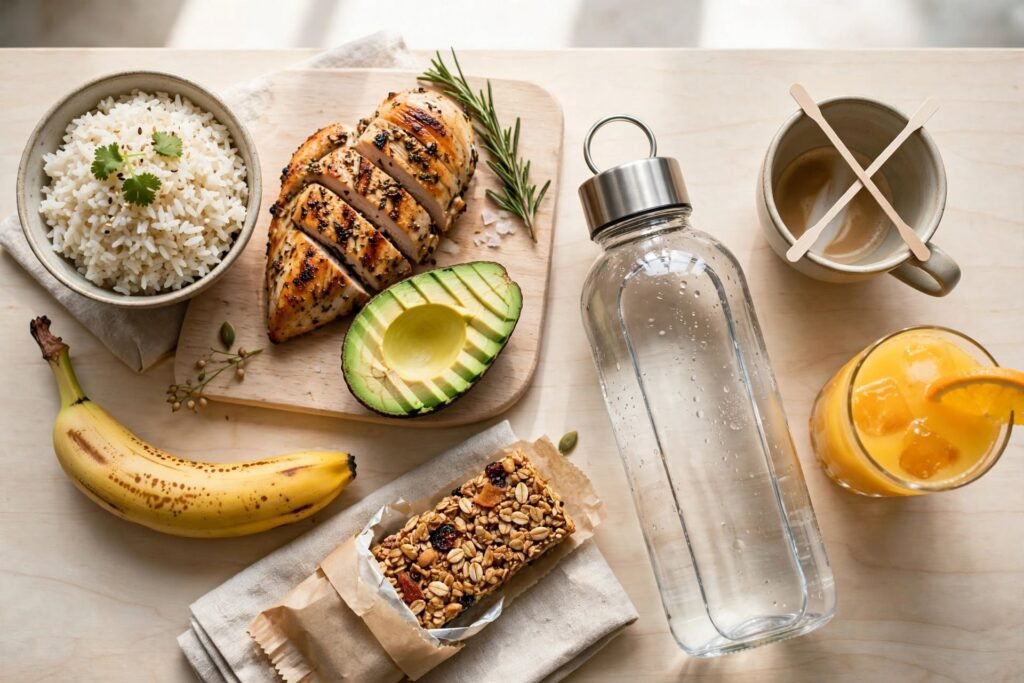
Most people spend a lot of time thinking about the tattoo design, the artist, the placement. What to eat and drink before the appointment usually gets about thirty seconds of thought, if that. But what you put in your body in the hours before a tattoo session has a real effect on how the session goes, how well you handle the pain, how your skin responds, and how you feel physically throughout the process.
This is especially relevant for longer sessions, but it applies to shorter ones too. Showing up underprepared from a nutrition standpoint makes everything harder than it needs to be.
Why Food Matters Before a Tattoo
Getting tattooed puts the body under physical stress. The pain response, the inflammatory reaction the skin mounts, and the sustained attention required to sit through a session all draw on the body’s energy reserves. If those reserves are low going in, the experience becomes significantly harder.
Blood sugar is the main factor here. When blood sugar drops during a tattoo session, which happens when you haven’t eaten adequately beforehand, the symptoms are unpleasant and sometimes dramatic. Lightheadedness, nausea, cold sweats, and in some cases fainting are all documented responses to low blood sugar during tattooing. Artists see this regularly, particularly with clients who skipped meals before their appointment.
Eating a proper meal before your session stabilizes blood sugar and gives your body something to work with during the stress of being tattooed.
What to Eat Before Your Session
A Balanced Meal Two to Three Hours Before
The goal is a meal that provides sustained energy without sitting uncomfortably heavy in your stomach during the session. A combination of protein, complex carbohydrates, and some healthy fat does this well.
Practical examples include eggs with whole grain toast, rice with chicken or another protein source, oatmeal with nut butter, or a grain bowl with whatever protein you prefer. These meals digest at a rate that keeps blood sugar stable for several hours rather than spiking and crashing the way sugary or highly processed foods do.
Timing matters. Eating too close to the session, within 30 to 45 minutes, can leave you feeling heavy or nauseous, particularly if anxiety about the appointment is already affecting your digestion. Two to three hours before gives the meal time to digest properly while still providing energy through the session.
Bring Snacks for Longer Sessions
For sessions running longer than two hours, bringing snacks is worth doing rather than hoping you’ll be fine. Nuts, fruit, granola bars, or anything easy to eat during a break helps maintain blood sugar through an extended session. Most artists are fine with clients eating during breaks, just check with yours beforehand.
What to Avoid
Heavy, greasy, or very spicy food before a session is worth skipping. These take longer to digest and can cause discomfort when you’re lying or sitting still for extended periods. Highly sugary foods, candy, energy drinks, pastries, cause a blood sugar spike followed by a crash, which is exactly what you’re trying to avoid.
Alcohol deserves specific mention. Drinking before a tattoo appointment is a bad idea for several reasons. Alcohol thins the blood, which increases bleeding during the session and makes it harder for the artist to work cleanly. It also dehydrates the skin and impairs pain tolerance in ways that are counterintuitive, it might feel like it helps, but the overall experience is typically worse with alcohol in the system, not better. Most reputable studios will turn away clients who show up visibly intoxicated.
Hydration Before a Tattoo
Hydration affects the session in ways that go beyond just feeling good. Properly hydrated skin behaves differently under the needle than dry, dehydrated skin. It’s more pliable, which makes tattooing smoother and more consistent. It heals more effectively afterward because the skin’s repair mechanisms function better in a hydrated environment.
How Much Water to Drink
There’s no magic number, but the general principle is to drink consistently throughout the day before your appointment rather than chugging water in the hour before. Consistent hydration throughout the day leading up to the session, and ideally in the days before for longer sessions, keeps the skin in good condition from the inside out.
If your urine is pale yellow in the hours before your appointment, your hydration level is in a good range. Dark yellow urine is a sign of dehydration that’s worth addressing before you sit down in the chair.
Electrolytes for Longer Sessions
For full-day or half-day sessions, bringing an electrolyte drink alongside water is a practical step. Plain water is fine for shorter sessions, but extended sessions cause the body to lose electrolytes through sweat and the physical stress response. Maintaining electrolyte balance helps with sustained energy and reduces the likelihood of feeling faint or nauseous as the hours go on.
Sports drinks work, though many are high in sugar. Electrolyte tablets or powders added to water give you the electrolyte benefit without the sugar load. Coconut water is another option that provides natural electrolytes.
The Connection Between Pre-Session Nutrition & Aftercare
How well-nourished and hydrated you are going into a session also influences how the healing starts. Skin that is well-hydrated from the inside is in better condition to begin the repair process than skin that is already dehydrated before the needle touches it.
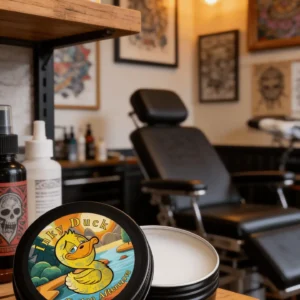
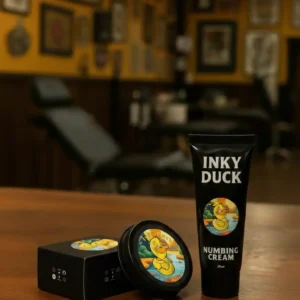
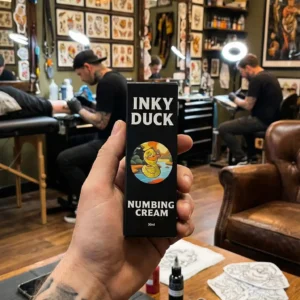
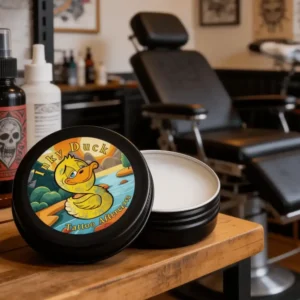
This is something brands like Inky Duck account for in their approach to tattoo care, the external aftercare routine works better when the body’s internal conditions support healing from the start. A well-formulated aftercare balm applied to skin that is already in good condition heals more cleanly than the same product applied to skin that was dehydrated and nutritionally depleted going into the session.
The Day Before Matters Too
The meal and hydration habits on the day of your appointment matter, but so does the day before, particularly for longer sessions. Eating well and staying hydrated in the 24 hours before gives your body more resources to draw on during the session and sets up better conditions for healing to start immediately after.
Getting adequate sleep the night before is in the same category. Fatigue lowers pain tolerance and makes sitting through a long session harder than it needs to be. A tired body also starts the healing process at a disadvantage compared to one that is well-rested.
Preparation for a tattoo session is not just about the design and the artist. The physical state you show up in matters for how the session goes and how well the tattoo heals afterward. Eat a proper meal, stay hydrated, skip the alcohol, and bring snacks for longer sessions. It’s simple preparation that makes a real difference.