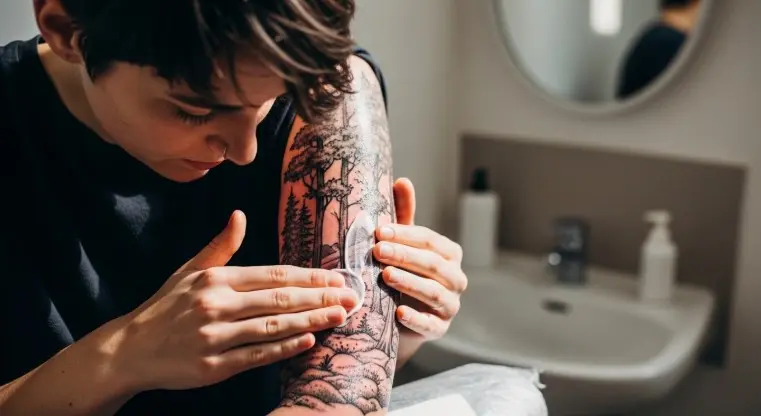
Getting a tattoo is more than just choosing a design it’s a commitment to proper healing. Even the most skilled artist can’t guarantee great results if aftercare is neglected. That’s why understanding what to use for tattoo aftercare is critical for preserving detail, preventing infection, and ensuring your tattoo heals exactly as intended.
This expert guide breaks down everything you need, from essential products to step-by-step routines, based on real tattoo industry practices, including insights inspired by professionals at Inky Duck Tattoo. Whether it’s your first tattoo or your tenth, this is the complete resource you need.
Immediate Answer
What to use for tattoo aftercare?
The best products for tattoo aftercare include a fragrance-free antibacterial soap, a gentle healing ointment or tattoo balm (like Aquaphor), and a lightweight, fragrance-free moisturizer once healing progresses. Some artists may also recommend breathable bandages for the first few days.
- Healing time: 2–4 weeks (surface), up to 2–3 months (full healing)
- Pain level: Mild irritation, itching, peeling
- Cost: $10–$40 total
- Best practice: Keep the tattoo clean, lightly moisturized, and avoid over-applying products
Core Explanation: Understanding Tattoo Aftercare
What Is Tattoo Aftercare and Why It Matters
Tattoo aftercare is the process of protecting and healing your skin after it has been tattooed. Since a tattoo is essentially a controlled skin wound, proper care is necessary to:
- Prevent infection
- Maintain color vibrancy
- Avoid scarring and patchiness
- Ensure smooth healing
Neglecting aftercare can lead to fading, uneven healing, or even permanent damage.
Skin Healing Process After a Tattoo
Understanding healing stages helps you use the right products at the right time:
- Stage 1 (Days 1–3): Oozing, redness, sensitivity
- Stage 2 (Days 4–14): Peeling, flaking, itching
- Stage 3 (Weeks 2–4): Skin settles, tattoo may look dull
- Stage 4 (Up to 3 months): Full regeneration beneath the surface
Each phase requires slightly different care and product use.
Who Needs Proper Tattoo Aftercare the Most
While everyone does, certain people must be extra careful:
- First-time tattoo clients
- Individuals with sensitive or reactive skin
- Those getting large or detailed tattoos
- Tattoos in high-friction areas like hands, feet, or joints
Tattoo Design Insights & Aftercare Impact
How Tattoo Style Affects Aftercare Needs
Not all tattoos heal the same way:
- Fine line tattoos: Need minimal ointment to avoid blurring
- Traditional tattoos: More forgiving due to bold lines
- Realism tattoos: Require careful hydration to preserve detail
- Color tattoos: More sensitive to sun exposure and fading
Placement vs Healing Difficulty
Placement plays a major role in healing:
- Easy areas: Forearm, thigh, calf
- Moderate areas: Upper arm, back, chest
- Difficult areas: Fingers, ribs, feet, neck
High-movement or high-friction areas take longer to heal and require extra care.
Popular Tattoo Styles and Aftercare Sensitivity
- Minimalist
- Black & Grey
- Neo-traditional
- Watercolor
- Tribal
Each style reacts differently to healing, especially when it comes to moisture and sun exposure.
People Also Ask
Does tattoo aftercare hurt?
Mild discomfort, itching, and tightness are normal. Severe pain may indicate irritation or infection.
How much do tattoo aftercare products cost?
Most people spend between $10 and $40 for complete aftercare supplies.
How long should I follow tattoo aftercare?
At least 2–4 weeks actively, with ongoing skin care afterward.
Is tattoo aftercare really necessary?
Absolutely. Poor aftercare can ruin even a perfectly executed tattoo.
Can I use Vaseline or lotion on a new tattoo?
- Vaseline: Not recommended (traps bacteria)
- Lotion: Only fragrance-free and used after initial healing
Step-by-Step Guide to Proper Healing
Step 1: How to Choose the Right Tattoo Aftercare Products
- Use fragrance-free, hypoallergenic soap
- Avoid alcohol or harsh chemicals
- Choose dermatologist-tested ointments or tattoo balms
Step 2: How to Prepare for Tattoo Aftercare
Preparation ensures smooth healing:
- Purchase products before your appointment
- Wear loose, breathable clothing
- Keep clean towels and bedding ready
Step 3: What to Use for Tattoo Aftercare? (Daily Routine Breakdown)
What to Use for Tattoo Aftercare?
- Day 1:
Remove bandage (as advised), gently wash with antibacterial soap - Days 2–7:
Clean 2–3 times daily and apply a thin layer of healing ointment - Days 7–14:
Switch to a lightweight, fragrance-free moisturizer - Weeks 2–4:
Continue moisturizing and avoid sun exposure
Consistency is key, overusing products can slow healing just as much as neglect.
Step 4: What NOT to Do During Healing
- Do not scratch or pick peeling skin
- Avoid swimming pools and hot tubs
- Stay out of direct sunlight
- Avoid tight or rubbing clothing
Comparison Table (Tattoo Aftercare Products)
| Product Type | Best For | Pros | Cons |
|---|---|---|---|
| Antibacterial Soap | Cleaning | Prevents infection | Can dry skin if overused |
| Healing Ointment | Early healing | Protects and hydrates | Can clog pores if overused |
| Tattoo Balm | All stages | Balanced moisture | Slightly expensive |
| Lotion (Fragrance-Free) | Later healing | Lightweight hydration | Not for early use |
| Petroleum Jelly | Not recommended | Cheap | Traps bacteria, slows healing |
Safety & Aftercare Section (Very Important)
Signs of Proper Healing
- Light peeling (similar to sunburn)
- Gradual reduction in redness
- No excessive swelling or discharge
Warning Signs of Infection
- Spreading redness or inflammation
- Yellow or green discharge
- Fever or intense pain
If these occur, consult a medical professional immediately.
Tattoo Aftercare Do’s and Don’ts
Do’s:
- Wash hands before touching your tattoo
- Keep the area clean and dry
- Follow your artist’s instructions
Don’ts:
- Don’t over-moisturize
- Don’t expose the tattoo to bacteria
- Don’t ignore irritation
Long-Term Tattoo Care
- Apply sunscreen (SPF 30+) regularly
- Keep skin hydrated
- Limit prolonged sun exposure
Proper long-term care keeps your tattoo vibrant for years.
Cost Breakdown Section
Average Tattoo Aftercare Cost
- Antibacterial soap: $5–$15
- Ointment or balm: $10–$25
- Total: $15–$40
Factors Affecting Aftercare Cost
- Brand quality
- Tattoo size
- Skin sensitivity
- Healing duration
FAQs About Tattoo Aftercare
1. What to use for tattoo aftercare on sensitive skin?
Use hypoallergenic, fragrance-free products specifically designed for sensitive skin.
2. Can I use coconut oil for tattoo aftercare?
Yes, but only after the initial healing phase not during the first few days.
3. How often should I moisturize a new tattoo?
2–3 times daily using a thin layer.
4. What happens if I don’t follow proper aftercare?
You risk fading, infection, and scarring.
5. Can I shower normally after getting a tattoo?
Yes, but avoid soaking the tattoo or using hot water.
6. What to use for tattoo aftercare during the peeling stage?
Switch to a lightweight, fragrance-free lotion.
7. Is it normal for a tattoo to itch a lot?
Yes, itching is a natural part of healing.
8. Can I exercise during tattoo healing?
Light activity is fine, but avoid excessive sweating or friction.
Conclusion
Proper tattoo aftercare is not optional, it’s essential. Knowing what to use for tattoo aftercare ensures your tattoo heals cleanly, maintains its detail, and looks sharp for years to come.
Disclaimer: The prices mentioned in this guide are general industry estimates and are provided for informational purposes only. They do not reflect the actual pricing of Inky Duck Tattoo or any specific tattoo studio. For accurate pricing, always consult your chosen tattoo artist or studio directly.
Investing in the right products and following a structured routine can make the difference between a vibrant tattoo and one that fades prematurely. Always prioritize your artist’s advice and avoid shortcuts.
Great tattoos don’t just depend on the artist they depend on how well you take care of them afterward.