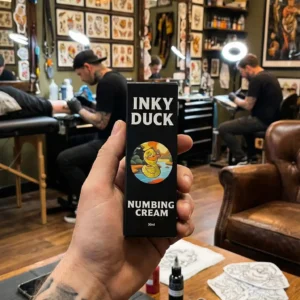

Numbing cream has become a normal part of tattoo preparation for a lot of people, and the question of safety comes up regularly, especially for first-timers who haven’t used it before. The short answer is that tattoo numbing cream is safe for most people when used correctly. The longer answer involves understanding what’s in it, how the body processes it, what the actual risks are, and which situations call for more caution.
This is not a topic that needs to be alarming. But it does deserve more than a quick “yeah it’s fine” without any context.
What’s Actually in Tattoo Numbing Cream
Most tattoo numbing creams are built around one or more local anesthetic compounds. Lidocaine is the most common, present in most over-the-counter products at concentrations between 4 and 5 percent. Some formulations also include prilocaine, benzocaine, or tetracaine, either alone or in combination with lidocaine.
Some products add epinephrine, also called adrenaline, as a vasoconstrictor. Epinephrine narrows the blood vessels in the application area, which reduces bleeding during the session and helps the anesthetic stay in the tissue longer. Its presence in a formula changes some of the safety considerations, which is covered further below.
The rest of the formula is typically made up of the cream base, emollients, stabilizers, and preservatives that hold the product together and affect how it feels on the skin. These ingredients vary by brand and are worth checking if you have known sensitivities.
How Lidocaine Is Processed by the Body
Lidocaine applied topically to intact skin absorbs slowly and in relatively small amounts compared to injected forms used in clinical settings. The concentration that reaches the bloodstream through skin absorption under normal use conditions is low, well below the threshold that produces systemic effects in healthy adults.
When numbing cream is applied under occlusion, covered with plastic wrap to increase absorption, the amount that enters the bloodstream increases compared to non-occluded application. This is still within safe limits for most people under normal use, but it’s the reason why applying more cream than recommended or leaving it on significantly longer than instructed is worth avoiding. More product and more time both increase systemic absorption, and while the margins are generous for healthy adults, staying within recommended parameters is the sensible approach.
The liver processes lidocaine after it enters the bloodstream. For people with liver conditions that affect how well the liver metabolizes compounds, even the low levels absorbed through topical use are worth discussing with a doctor before using numbing cream.
Who Should Be More Cautious
For most healthy adults, tattoo numbing cream at standard over-the-counter concentrations carries minimal risk when used as directed. There are specific groups for whom more caution is warranted.
People With Heart Conditions
Lidocaine in clinical doses is actually used to treat certain heart arrhythmias, which tells you something about how it interacts with cardiac tissue. At the concentrations present in topical numbing creams, the effect on heart rhythm is not a concern for people with healthy hearts. For people with existing cardiac conditions, particularly arrhythmias, the small amount that enters the bloodstream through skin absorption is worth discussing with a cardiologist before use.
Products that contain epinephrine require additional attention for this group. Epinephrine raises heart rate and blood pressure, even in small amounts. For people with heart conditions, hypertension, or anxiety disorders that involve cardiovascular symptoms, epinephrine-containing numbing creams are best avoided without explicit medical clearance.
People With Liver or Kidney Conditions
As mentioned above, lidocaine is metabolized by the liver. People with impaired liver function may process it more slowly, allowing it to build up to higher concentrations in the bloodstream than would occur in someone with healthy liver function. Similarly, kidney conditions that affect how compounds are cleared from the body can influence how lidocaine behaves systemically. Medical advice before use is the right call for anyone with significant liver or kidney conditions.
Pregnant & Breastfeeding People
The safety of lidocaine during pregnancy and breastfeeding has not been studied extensively in the context of topical tattoo aftercare use. Lidocaine does cross the placental barrier and is present in breast milk in small amounts. Most medical guidance leans toward avoiding non-essential drug exposure during pregnancy and breastfeeding, which puts elective tattoo numbing in a category worth discussing with an obstetrician rather than self-deciding.
People With Known Anesthetic Allergies
Allergic reactions to local anesthetics do occur, though they are not common. Lidocaine belongs to the amide class of anesthetics. People who have had reactions to amide anesthetics in dental or medical settings should approach lidocaine-containing tattoo numbing creams with caution and discuss alternatives with a healthcare provider. Benzocaine, which belongs to a different class called ester anesthetics, is a more common allergen and is present in some tattoo numbing products.
What Allergic Reactions Look Like
An allergic reaction to numbing cream on intact skin typically presents as redness, swelling, itching, or a rash at the application site. More significant reactions can include hives spreading beyond the application area or, in rare cases, systemic symptoms.
Patch testing before a session is the practical way to check for sensitivity. Apply a small amount of the cream to an area of intact skin, the inner wrist or inner elbow work well, and leave it for 30 minutes without occlusion. If there’s no reaction, the risk of a significant allergic response during normal use is low. This is worth doing at least 24 to 48 hours before your appointment, not the morning of.
Methemoglobinemia — A Rare but Real Risk
This is a condition worth mentioning because it specifically involves benzocaine, which is present in some tattoo numbing products. Methemoglobinemia occurs when certain compounds interfere with the blood’s ability to carry oxygen. Benzocaine has a documented association with this condition, particularly in young children and in adults who use it in large amounts.
For adults using benzocaine-containing numbing cream in the amounts typically applied for tattoo preparation, the risk is low. But it is the reason that some healthcare providers recommend lidocaine-only products over formulations that include benzocaine, and it’s worth knowing about if you’re choosing between products.
Safe Use Practices
Following the instructions on the product is the most important safety measure for numbing cream use. The recommended amount, application time, and removal process are set based on how the product was tested and what produces safe, effective results.
Specific practices worth following include not applying numbing cream to broken or irritated skin before a session, not leaving the cream on significantly longer than recommended, not applying it to large body surface areas beyond what’s needed for the tattoo placement, and removing it completely before the session starts rather than leaving residue on the skin.
Telling your tattoo artist that you’ve used numbing cream before the session is also worth doing consistently. It allows them to adjust their approach if needed and means they’re aware of the skin condition they’re working with from the start.
Tattoo numbing cream is a safe and well-tolerated option for most people going into a tattoo session. The risks are real but manageable with correct use and a basic awareness of which situations call for additional caution. For most healthy adults following the product instructions, it does what it’s supposed to do without any meaningful safety concern.