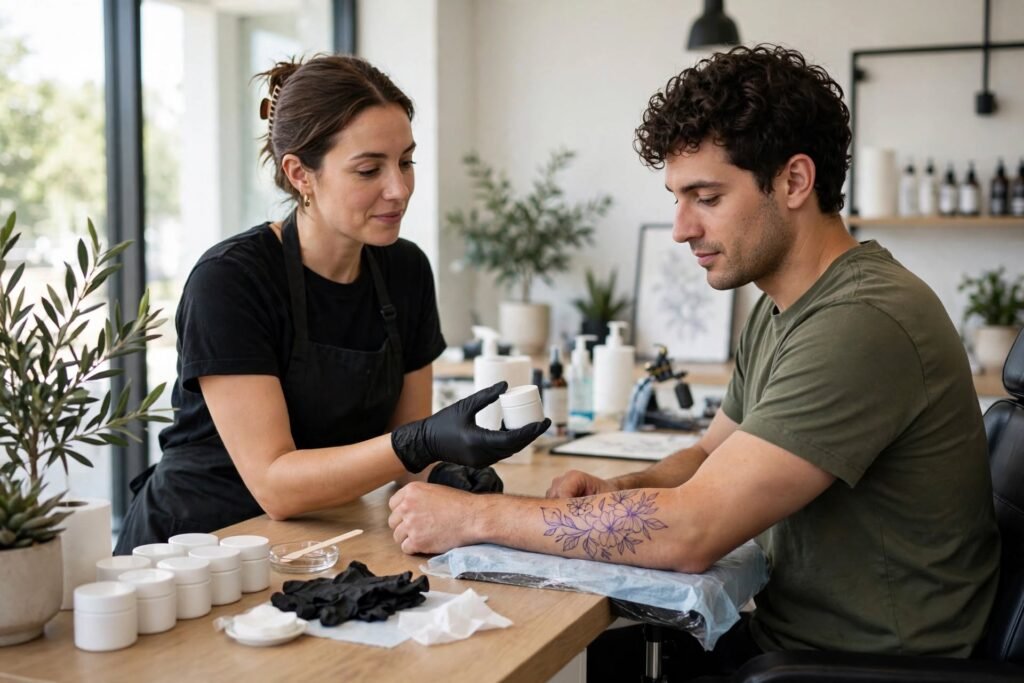
Numbing cream has moved from a niche client request to a mainstream part of the tattoo conversation. More clients are asking about it before they book, factoring it into their session planning, and in some cases choosing studios specifically because numbing options are available. For studio owners and artists still on the fence about stocking it, the case for offering numbing cream has gotten stronger as the market has matured and the products available have improved.
Here’s a practical look at what offering numbing cream in-shop actually involves and what it does for the studio.
Why Clients Want Numbing Cream
The client base for tattooing has expanded significantly over the past decade. People who would previously have avoided getting tattooed because of pain concerns are now getting work done, and numbing cream is part of what makes that possible for some of them. First-time clients, clients with low pain tolerance, clients booking longer sessions, and clients getting work on high-pain placements, all of these groups have a legitimate interest in numbing options.
Beyond pain tolerance, there’s a practical case for numbing cream that experienced collectors also make. Sitting more comfortably through a long session means sitting more still, which benefits the work. An artist working on a client who isn’t flinching or tensing through every pass has a more consistent working surface than one working on a client in significant distress.
The demand is there regardless of whether the studio stocks product. Clients who want numbing cream will find it somewhere. Stocking it in-shop means the studio controls the recommendation, clients are using a product the artist knows and trusts rather than whatever they found online, and the studio captures the revenue from that sale.
The Case for Stocking It In-Shop
Revenue on a High-Interest Product
Numbing cream sells at a higher price point than aftercare balm. The margin on a unit of numbing cream sold at retail from a wholesale purchase price is meaningful, and the purchase decision for clients who want it is already made before they walk in the door. They came in planning to numb, they’re going to buy the product. The question is whether they buy it from the studio or from somewhere else.
For studios doing consistent volume with clients who regularly request numbing, the cumulative revenue from stocking it in-shop adds up quickly. It’s a high-demand product with a client base that is already motivated to purchase.
Control Over What Goes on the Skin
Artists who have opinions about numbing cream, and most experienced ones do, want to know what product is being applied to the skin they’re about to tattoo. Clients who buy whatever numbing cream came up first in a search and apply it without understanding the timing, concentration, or formulation create complications that the artist then has to work around.
When the studio stocks a specific product and gives clients clear instructions on how to use it, the artist knows what they’re working with. The formulation is consistent, the application protocol is controlled, and the skin texture issues that come with incorrectly applied numbing cream are less likely to show up.
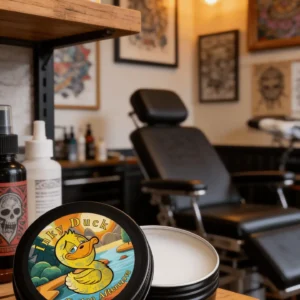
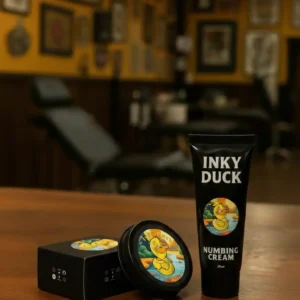
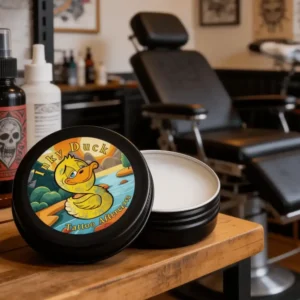
Brands like Inky Duck offer numbing cream alongside their aftercare balm, which makes the wholesale relationship more efficient for studios that want to stock both from the same supplier. A pre-session numbing cream and a post-session aftercare balm from the same brand creates a clear, simple product story that’s easy to communicate to clients and easy to manage on the inventory side.
Attracting Clients Who Prioritize Comfort
Studios that openly offer numbing options attract clients who have been avoiding getting tattooed because of pain concerns. For a studio looking to expand its client base, visibility around numbing availability, on the website, on social media, in the booking process, reaches a segment of potential clients who have been interested in getting tattooed but haven’t booked because they didn’t know pain management options existed.
This is not about compromising the experience for clients who want to sit without numbing. It’s about making the studio’s services accessible to a broader range of people by being clear about what’s available.
How to Integrate Numbing Cream Into the Studio’s Workflow
Pre-Session Communication
The most important logistical element of offering numbing cream is client education before the appointment. Numbing cream applied incorrectly, wrong timing, no occlusion, wrong placement, doesn’t work well, and a client who shows up to a session expecting to be numbed and isn’t will have a poor experience that reflects on the studio.
Clear instructions provided at the time of purchase or booking are essential. How much to apply, how long before the session, how to cover it with wrap, and when and how to remove it before arriving at the studio. Some studios send these instructions via email or text after a client purchases numbing cream, which ensures the information is in the client’s hands in a format they can reference when they’re actually doing the prep.
Having the Conversation About Artist Preferences
Not every artist on a studio floor has the same relationship with numbing cream. Some work with it regularly without any adjustment to their technique. Others find it changes the skin texture enough that they prefer to modify their approach for numbed sessions. Getting clarity on each artist’s preferences and making sure client communication reflects those preferences avoids the situation where a client shows up numbed and the artist didn’t know.
A clear studio policy, whether that’s full support, artist-by-artist preference, or specific guidance on what products the studio stocks and recommends, gives clients clear expectations and gives artists the autonomy to work the way they work best.
Stocking the Right Product
For pre-session use on intact skin, a lidocaine-based cream at 4 to 5 percent concentration is the appropriate product to stock. This is the standard range for over-the-counter numbing products and provides meaningful results when applied correctly. Products with epinephrine as an added vasoconstrictor reduce bleeding during sessions, which some artists appreciate, but this should be communicated clearly to clients since epinephrine-containing products have additional considerations for people with certain health conditions.
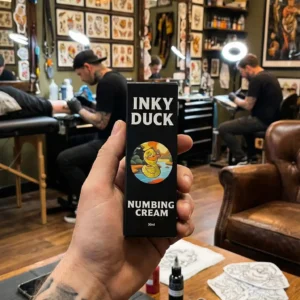
Inky Duck’s numbing cream is formulated for this pre-session use case, with clear instructions that make client self-application straightforward. For studios that want to offer a numbing option without building an extensive education program around it, a product with clear, practical instructions reduces the support burden significantly.
The Logistics of Stocking & Selling
Numbing cream has a reasonable shelf life that makes inventory management straightforward. Unlike some products that require fast turnover to avoid expiration, a properly stored numbing cream supply can be managed with standard inventory minimums without significant waste risk.
Sell it at the time of booking or in-studio at the beginning of the session, not at the end. Clients who learn about the numbing option after sitting down for their session can’t use it that day. Making the offering visible during the booking process and at the studio check-in means clients who want it have the opportunity to use it correctly.
Display the product near the point of sale where clients are already making purchase decisions. A simple shelf or counter display alongside the aftercare products creates a natural product grouping, pre-session comfort, post-session care, that communicates a clear service offering without requiring a sales pitch.