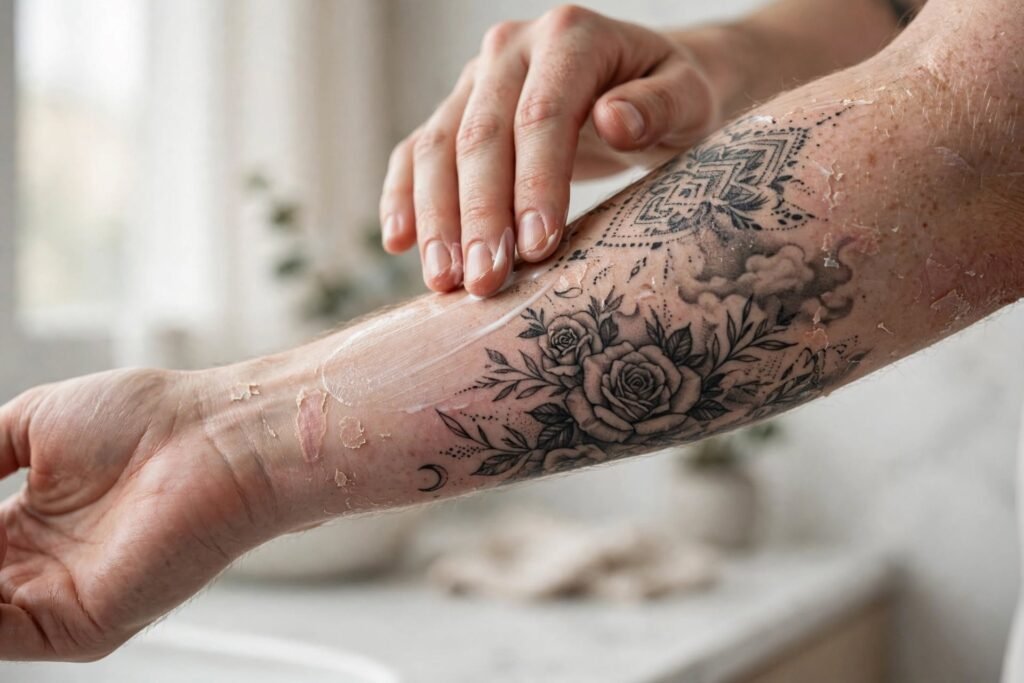
Getting a sleeve means caring for a large area over several sessions. The skin on the arm will react in stages. This guide covers how to plan care, how to keep the arm clean, and how to manage pain and swelling while multiple sessions finish. Read it like a friend giving clear steps you can follow from the first session to the final touch up. If you’re still in the design phase, check our guide on how to design a tattoo sleeve.
Plan Care Before the Session
Set up a kit for the trip home and the days that follow. Pack mild soap, clean towels, the product your artist recommends, and loose clothing that will not press on the arm. See our tips on what to wear to a tattoo appointment. Bring a change of shirt for the ride home. Arrange time off work or light duties for the day of the session and the day after. If the sleeve will cover the inner arm or elbow, plan for positions that reduce strain while you rest. For long sittings, review how to mentally and physically prepare for a long tattoo session.
Prepare the Arm
Avoid alcohol and blood thinners before the session. Stay hydrated and eat a meal before you go — see our full guide on what to eat and drink before a tattoo appointment. These steps help the body handle the session and reduce fainting risk. If you take medication that affects bleeding, check with a medical professional before the appointment. You can also read our advice on how to prepare your skin before getting a tattoo.
Immediate Care After Each Session
Follow the artist instructions for the first dressing. Keep the bandage on for the time they recommend. When you remove the dressing, wash your hands first. Use lukewarm water and mild soap to rinse the area. Move your fingers gently over the skin to remove blood and plasma. Rinse well and pat dry with a clean towel. Apply a thin layer of the product your artist suggests. Repeat cleaning and moisturizing two times each day unless the artist gives other instructions. For a full breakdown, read how to care for a new tattoo in the first 24 hours.
How to Apply Product
Use a small amount and spread it in a thin layer. The goal is to keep the skin from drying out while allowing air to reach the area. Too much product can trap moisture and slow healing. Learn how often you should apply tattoo balm during healing. If a product causes a reaction, stop using it and consult a medical professional.
Coordinate Care Across Sessions
A sleeve often comes in parts. Treat each session as a separate wound while keeping the whole arm in mind. If one area is still scabbing when the next session starts, tell the artist. They can adjust placement and pressure to avoid reopening scabs. Space sessions so the skin has time to close and form stable scabs. If you plan multiple sessions in a short span, expect more swelling and soreness across the arm.
Rest Between Sessions
Give the arm time to rest after each session. Avoid heavy lifting and intense exercise for several days. Movement increases blood flow and can raise swelling. Short walks help circulation without adding strain. If swelling increases after activity, rest and elevate the arm until the swelling drops.
Manage Pain & Swelling
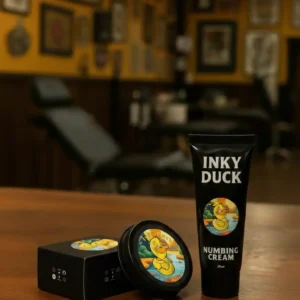
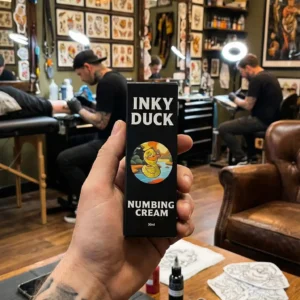
Pain and swelling are normal after a session. Use over the counter pain relief as directed. Some clients also ask their artist about tattoo numbing cream for longer sittings. Elevate the arm when sitting or lying down to reduce fluid buildup. Apply cold compresses for short periods to reduce swelling. Do not place ice directly on the skin. Wrap ice in a clean cloth and use it for ten to fifteen minutes at a time. For medical wound care guidance, see the Mayo Clinic’s wound care reference. If pain or swelling increases over time, seek medical advice.
Sleep & Position
Sleep in a position that keeps pressure off the arm. If the sleeve covers the inner arm or elbow, avoid sleeping on that side for the first few nights. Use pillows to prop the arm and keep it elevated. Rest helps the body focus on healing.
Clothing & Friction
Clothing can rub scabs and pull ink from the skin. Wear shirts with sleeves that slide over the arm without catching. Avoid tight bands and straps that press on the tattoo. If a scab catches on fabric, stop and apply a small amount of the recommended product to soften the area. Do not pull at scabs.
Wrist & Hand Coverings
If the sleeve reaches the wrist, consider how gloves or wristbands will affect healing. Keep wrist coverings loose and change them if they become damp. Damp fabric can trap bacteria and slow healing.
Cleanliness & Hygiene
Keep the arm clean and avoid pools, hot tubs, and long baths until the skin finishes healing. Short showers are fine. Do not soak the tattoo. Change bed linens and clothing that touch the arm if they become soiled. Wash hands before touching the tattoo to reduce the risk of infection. For additional aftercare best practices, the American Academy of Dermatology offers strong general guidance.
Signs to Watch For
Look for spreading redness, increasing pain, fever, or pus. These signs can point to an infection that needs treatment. Red streaks moving away from the tattoo, a bad smell, or thick yellow or green discharge are reasons to seek care quickly. If a product causes a rash or swelling beyond the tattoo area, stop the product and consult a medical professional.
Itching & Scab Care
Itch is part of healing. Tap the area gently or press a clean hand against it to ease the urge to scratch — see how to stop your tattoo from itching during healing. Picking or peeling scabs can pull ink out and leave scars. Let scabs fall off on their own. If a scab tears, clean the area and apply a thin layer of the recommended product. Keep the area covered if the wound is open and avoid activities that will rub the spot.
When to Contact the Artist
If the ink looks uneven after healing or if a section needs a touch up, contact the artist once the skin has fully healed. Most artists expect to do touch ups after a sleeve. Wait until the skin is stable and the color has settled before scheduling a touch up. Not sure what you need? Read tattoo touch-up vs tattoo care: when is each the right call.
Long Term Care for a Sleeve
After the skin heals, protect the arm from sun exposure. Use a sun product on the tattoo when you will be outdoors — check does SPF protect tattoos for details. Sun exposure can fade ink over time. Keep the skin moisturized with a lotion you tolerate well. Regular moisturizing helps the skin stay healthy and keeps the ink looking consistent. Learn how to keep your tattoo looking vibrant years after getting it.
Ongoing Maintenance
A sleeve may need touch ups years after the session. Keep a record of the products that worked during healing and the dates of each session. This record helps the artist plan future work and touch ups.
Practical Checklist
A sleeve requires steady care and attention across multiple sessions. Keep the routine simple and consistent. Rest when needed and avoid activities that add pressure or friction. With careful care, the arm will heal and the work will hold. If questions arise about the look of the sleeve after healing, reach out to the artist for guidance on touch up timing and placement.
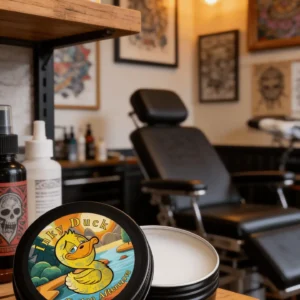
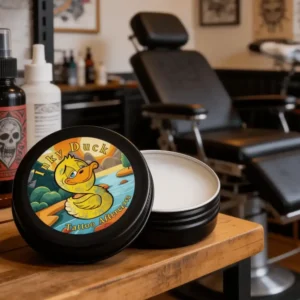
Stock up on what you need to heal a full sleeve: try our Inky Duck Aftercare Balm (Pack of 2) — ideal for larger pieces — or grab the complete tattoo supplies bundle.